
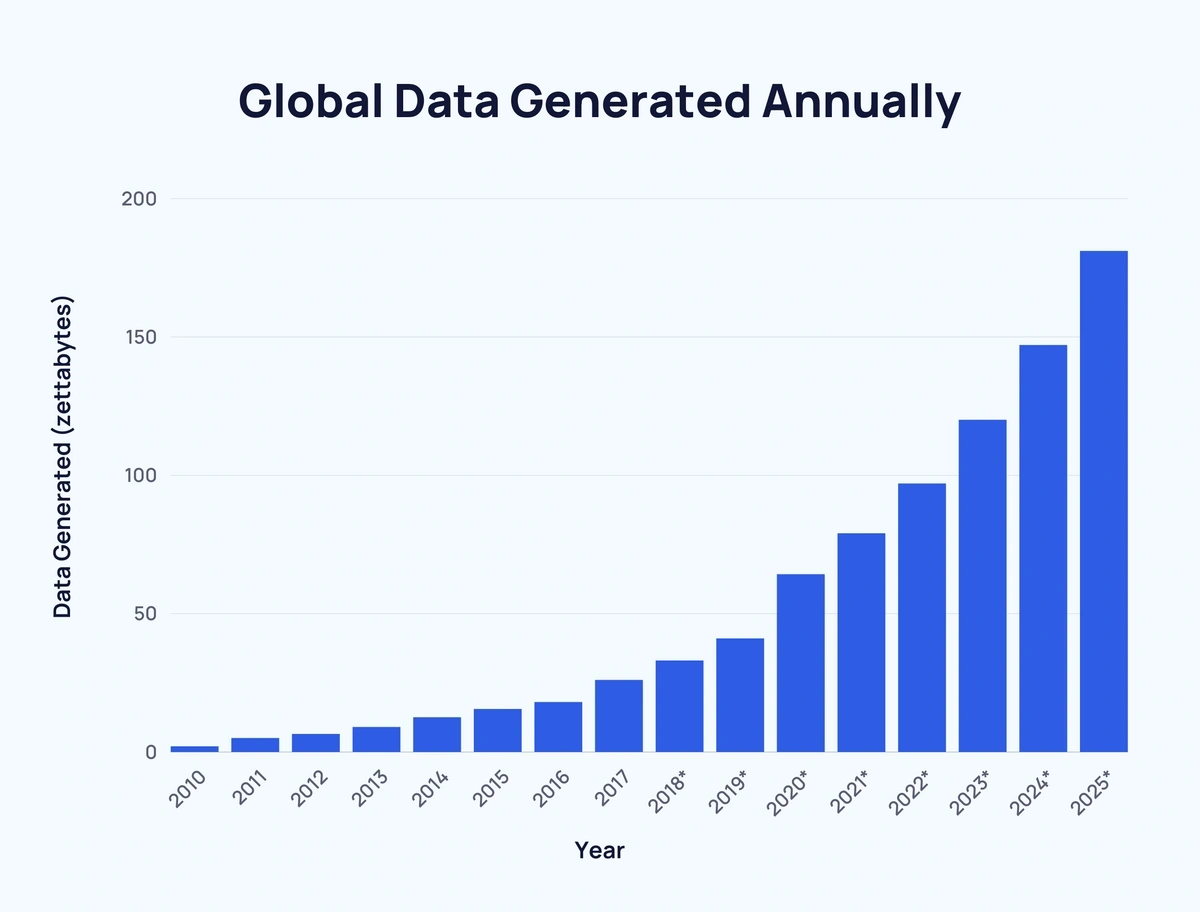
Did you know that By 2025, the world is expected to generate nearly 495 million terabytes of data every day — a staggering surge driven by cloud adoption, IoT, AI, and streaming platforms.
Every click, every purchase, and every customer interaction generates valuable information.
Businesses are drowning in data.
However, the vast majority of that information is unstructured, and business owners are struggling to make sense of it all.
Enter the data analyst – a highly skilled digital professional who can transform raw numbers into clear and actionable insights.
In a highly competitive market, leveraging data is no longer a luxury reserved for corporate giants – but a necessity even for a small enterprise.
In this guide, you’ll discover how data analysts can dramatically transform your business operations and drive growth.
I. Why Every Business Needs a Data Analyst
Businesses must harness their data to compete. Data analysts are not just number crunchers. They are strategic partners who turn raw data into actionable insights. Here’s how they can benefit your business:
Data Interpretation: Data analysts bridge the wide gap between raw numbers and business strategy, sifting through complex datasets, and identifying patterns and trends that might otherwise go unnoticed. This way, business owners can make informed act as a content writer
Predictive Analytics: Predictive analytics involves forecasting future behaviors and outcomes by analyzing historical and current data. By looking at the numbers, analysts can forecast customer behavior and market trends—which is invaluable for inventory planning, staffing, and marketing strategies. McKinsey reports that companies using customer analytics are 1.5 times more likely to post above-average growth and outperform competitors.
Cost Optimization: Data analysts identify operational inefficiencies, highlighting areas where costs can be cut without sacrificing quality. They pinpoint wasteful spending and streamline processes to boost your bottom line.
Customer Insights: Understanding your customer needs is crucial for success. Data analysts uncover customer behavior patterns, preferences, and pain points, allowing you to tailor your products or services to the market.
In the next section, we’re going to see data analysts in action as they work their magic addressing some of the common challenges facing businesses.
II. The Role of Data Analysts in Solving Common Business Challenges
Data analysts are increasingly playing a pivotal role in business.
Cassie Kozyrkov, former Chief Decision Scientist at Google, once quipped:
“When in doubt, hire analysts before other roles. Appreciate them and reward them.”
But why exactly do companies rely on analysts? And how do they solve everyday challenges? Let’s break it down.
1. How Do Data Analysts Improve Sales Forecasting and Inventory Management?
Accurately predicting sales trends remains one of the biggest hurdles for businesses—especially in retail and eCommerce. According to Gartner, poor demand forecasting contributes to nearly $1.1 trillion in lost revenue annually due to stockouts and overstocks.
Data analysts tackle this by:
- Examining historical sales data
- Factoring in seasonal patterns
- Assessing current market conditions
- Generating precise sales forecasts
Example: An eCommerce retailer might notice a rise in winter apparel sales each October. By forecasting demand accurately, they avoid both stockouts and costly overstocking—improving cash flow management while satisfying customers.
2. How Do Analysts Optimize Marketing Campaigns?
Measuring the true ROI of marketing campaigns is often tricky. In fact, HubSpot reports that 28% of marketers struggle to determine campaign effectiveness.
Here’s where analysts step in. They:
- Track key metrics (CTR, conversions, CAC)
- Compare performance across platforms
- Identify which audiences deliver the best returns
Example: A startup might discover that Facebook Ads generate 2x more qualified leads than Google Ads. With this insight, they can reallocate budgets for maximum impact, ensuring every marketing dollar counts.
3. How Can Analysts Help Reduce Customer Churn?
For subscription-driven businesses, churn reduction is critical. Studies show that increasing customer retention by just 5% can boost profits by 25%–95% (Harvard Business Review).
Analysts reduce churn by:
- Identifying risk signals (e.g., declining product usage, missed logins, lack of engagement)
- Analyzing customer complaints and support interactions
- Recommending proactive retention strategies
Example: A SaaS company may find that users who don’t engage with updates in the first 90 days are 3x more likely to cancel. Using this insight, the company can launch onboarding campaigns and targeted re-engagement efforts—directly boosting retention.
4. How Do Data Analysts Improve Operational Efficiency and Cost Control?
Businesses often lose millions due to hidden inefficiencies. According to McKinsey, companies leveraging analytics-driven efficiency improvements can achieve 15–30% cost savings.
Data analysts support this by:
- Examining workflows to spot bottlenecks
- Monitoring staff utilization and scheduling
- Recommending operational adjustments
Example: In a manufacturing setting, analysts might uncover that one assembly line consistently causes delays due to misaligned shift schedules. Adjusting staff allocations could eliminate downtime and raise productivity while cutting costs.
What’s the Future of Data Analysts in Business?
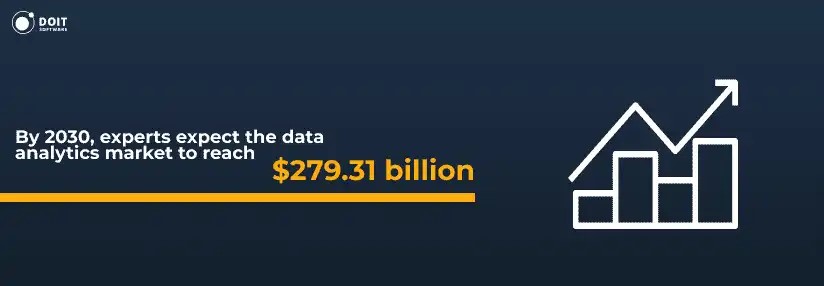
The demand for analytics isn’t slowing down. The global data analytics market is projected to grow from $51.55 billion in 2023 to $279.31 billion by 2030 (Fortune Business Insights).
At the same time, the outsourcing of analyst roles has emerged as a cost-efficient solution, offering businesses access to skilled professionals without the overhead of in-house hires.
Wondering why outsourcing data analysts makes sense? Let’s explore the key benefits of outsourcing analytics teams in the next section.
III. The Benefits of Outsourcing Data Analysts
What Are the Benefits of Outsourcing Data Analysts?
For all the brainpower they bring, data analysts don’t come cheap. According to Glassdoor (2025), U.S. data analysts earn an average of around $89,000 annually, with most salaries ranging between $66,000 and $121,000, depending on experience, industry, and location, not including benefits and overhead costs.
For small businesses and startups, hiring full-time talent can feel out of reach. Outsourcing, however, provides an affordable and highly effective solution. Let’s explore the top five benefits of outsourcing data analysts.
1. How Much Can Businesses Save by Outsourcing Data Analysts?
Cost savings remain the #1 driver of outsourcing. In Deloitte’s 2022 Global Outsourcing Survey, 70% of companies cited cost reduction as their primary reason for outsourcing.
Hiring a full-time U.S.-based analyst can exceed $120K annually, while an equally skilled professional in the Philippines may cost just $20K–$30K per year—a 60–70% savings.
Example: A U.S. startup can redirect these savings into growth initiatives—such as product innovation or expanded marketing—while still benefiting from expert analytics support.
2. How Does Outsourcing Provide Access to a Global Talent Pool?
Finding top analytics talent is a growing challenge. A PwC survey revealed that 50% of executives consider talent acquisition one of their biggest organizational issues.
Outsourcing addresses this gap by tapping into STEM-rich talent hubs like the Philippines and India, where analysts excel in:
- Programming languages (Python, R, SQL)
- Advanced Excel and data visualization tools
- Predictive modeling and trend forecasting
This wider talent pool ensures that businesses don’t just fill positions—they secure specialists who meet exacting standards, at a lower cost without compromising quality.
3. How Does Outsourcing Improve Flexibility and Scalability?
One of outsourcing’s greatest strengths is its adaptability. Instead of locking into long-term contracts, companies can:
- Scale up quickly for data-heavy projects
- Hire part-time or project-based analysts
- Adjust staffing levels as business needs evolve
Example: A food delivery app expanding into a new region might outsource data analysts for market entry studies—covering demographics, competitor analysis, and consumer behavior. Once the project ends, so does the contract—no lingering overhead.
4. Can Outsourcing Enable 24/7 Business Operations?
Yes—outsourcing allows companies to run around-the-clock operations by leveraging global time zones.
Example: A U.K.-based fintech company can outsource to the Philippines. While the U.K. team sleeps, analysts offshore process data overnight. By morning, actionable insights are ready—enabling faster decision-making and reduced turnaround times.
This kind of 24/7 cycle used to be available only to large enterprises, but outsourcing makes it accessible to startups and SMEs alike.
5. How Does Outsourcing Help Companies Stay Focused on Core Functions?
When internal teams are bogged down by data analysis, they lose focus on their core business drivers like product development, marketing, and customer service.
Outsourcing solves this by:
- Delegating complex data tasks to experts
- Freeing staff for customer-facing and revenue-generating work
- Providing insights without disrupting operations
Example: A small healthcare provider might outsource analytics to track patient feedback and operational metrics, allowing doctors and staff to focus entirely on care delivery.
Why Is Outsourcing Data Analysts a Smart Move Today?
The combination of cost efficiency, global expertise, scalability, and 24/7 coverage makes outsourcing a practical strategy for businesses of all sizes. As data volumes continue to skyrocket—estimated at 463 exabytes generated daily by 2025 (World Economic Forum)—the need for accessible, skilled analysts will only grow.
IV. How to Outsource Data Analysis To A Third Party
-
Clearly Define Your Objectives and Requirements
What specific tasks do you need?
Are you looking to optimize your operations?
Are you looking for somebody to look at your historical data and do predictive analytics?
Are you looking for customer insights, such as pinpointing which segment is most responsive to your marketing message?
Identifying these upfront can help businesses better communicate their expectations to potential partners.
For instance, a retail business launching a new product may require a comprehensive market analysis that includes customer segmentation, pricing strategies, and sales forecasts. Clearly outlining these ensures that selected partners have the skills and experience aligned with those goals.
Quick Tip: Create a simple one-page document listing the specific tasks and goals you have in mind. This will serve as a clear reference when discussing your needs with potential partners, ensuring no critical details are overlooked. -
Choose the Right Outsourcing Partner
When evaluating potential partners, consider the following criteria:
Expertise: Look for analysts skilled in the specific tools and techniques required for the job (eg. statistical software, data visualization tools, and programming languages).
Experience: Having experience in your industry or similar sectors ensures your partner understands the unique challenges and opportunities in your space.
Communication Skills: Effective communication is essential for successful collaboration. Choose partners who can clearly articulate insights and recommendations, making complex data understandable.
Quick Tip: Prepare a table that covers Expertise, Experience, and Communication Skills. Use this to score and compare potential partners during your evaluation process, ensuring a thorough and consistent review
-
Establish a Clear Communication Plan
A communication plan ensures that all parties are aligned on project goals, timelines, and expectations. Consider the following best practices:
Set Regular Check-ins: Set weekly or bi-weekly meetings to review progress, address concerns, and adjust project scopes as needed.
Brief Partners on Tools: Project management tools such as Trello, Asana, or Slack can be used to track tasks, share updates, and facilitate communication. Make the most of these platforms by briefing your partners on company details like workflows, templates, workspace layouts, and even color schemes.
Encourage Feedback: Create a feedback loop where parties can share insights and suggestions—fostering a culture of improvement.
Quick Tip: Draft a communication calendar outlining regular check-ins and feedback sessions. Share it with your team and partners to ensure everyone is aligned on key touchpoints throughout the project.
-
Ensure Data Security and Compliance
Data security is a significant concern when outsourcing, especially when handling sensitive information. Businesses must ensure that their partners have robust security protocols in place to protect data.
Here are key steps to take:
Conduct Security Assessments: Perform a thorough assessment of their data security practices. This may include reviewing their compliance with relevant regulations, such as GDPR or HIPAA, and their data handling practices.
Sign NDAs and Contracts: Establish robust agreements outlining data protection measures, confidentiality clauses, and liability terms. Non-disclosure agreements (NDAs) help safeguard sensitive information and set expectations for data usage.
Implement Data Access Controls: Limit access of sensitive data to only those individuals who need it to perform their tasks. This mitigates the risk of unauthorized access or data breaches.
Quick Tip: To ensure that all data protection measures are in place, create a checklist of security protocols, compliance requirements, and necessary agreements (such as NDAs) to review with your partners before finalizing any contract.
-
Monitor and Evaluate Performance
Once the outsourcing partnership is established, businesses should continuously monitor and evaluate the performance of their partners. This ongoing assessment helps ensure that the partnership remains aligned with company objectives and allows for needed adjustments.
By following these best practices, businesses can leverage the expertise of outsourced data analysts to make informed decisions, optimize operations, and drive growth, all while maintaining a cost-effective approach.
Quick Tip: Set up performance metrics and a review schedule (eg. monthly or quarterly) to evaluate the effectiveness of your outsourcing partnership. Use these reviews to address any gaps and make adjustments.
Now that you know how to go about the outsourcing process, how do you then know that the analyst you have is a good one? That’s coming up next.
V. How Do You Know Your Data Analyst Is Good?

For very small businesses, outsourcing may mean hiring a single individual to do the work.
Now, how do you know you got a good one in your hands?
Great analysts don’t just provide data. They help you understand the story behind it, uncover trends, and point you toward strategic actions that can impact your bottom line.
Here’s how to look at the effectiveness of your employees and ensure you’re getting the insights that matter most:
-
Accuracy and Data Quality
Check the underlying data: First things, first. Ensure that the data used is clean, reliable, and from credible sources. Dirty or incomplete data can lead to misleading insights.
Validation of results: Cross-check the results with other data sources or previous analyses to confirm consistency.
-
Clarity of Presentation
Simplicity and understanding: Are the insights presented in a way that can be easily understood by non-technical stakeholders? An effective data analyst should be able to translate complex findings into clear, actionable recommendations.
Use of visuals: Assess whether charts, graphs, and visuals enhance the understanding of the data or confuse the audience. Clear visuals are crucial for conveying trends, patterns, and key points.
-
Relevance to Business Goals
Alignment with objectives: Do the insights directly relate to the business goals and KPIs (Key Performance Indicators)? Insights should help answer specific questions or solve particular problems, not just provide random data points.
Actionability: Can these insights lead to a concrete decision or change in strategy? If not, they may not be as valuable.
-
Depth of Analysis
Comprehensive exploration: Has the analyst explored multiple angles or factors that could affect the outcome? The depth of analysis should account for different variables and possible influences.
Scenario analysis: Evaluate whether the analyst has tested different scenarios or outcomes. Are they considering “what-if” situations that could help you prepare for varying business environments?
-
Timeliness
Speed of insight generation: Are the insights delivered in a timely manner that allows you to act on them while they’re still relevant? Delayed insights might lose their value in fast-moving industries.
Proactive analysis: Consider if the analyst is anticipating future trends and business needs, rather than only responding to past data.
-
Interpretation of Data
Contextual understanding: Is the data interpreted in the right business context? A good analyst understands the business environment and how external factors (market trends, competition) may influence the data.
Sound assumptions: Evaluate whether the assumptions behind the analysis are logical and supported by evidence. Poor assumptions can lead to incorrect conclusions.
-
Consistent Improvement
Feedback loop: Does the data analyst seek feedback and continuously refine their methods based on what works and what doesn’t? A top analyst will be eager to improve their models and insights based on performance and outcome reviews.By applying these criteria, you’ll be able to gauge the impact of the insights your data analyst provides, ensuring their work elevates the quality of decision-making in your organization.
In the next section, we’ll look at some real-life examples of enterprises that have successfully integrated outsourced data analysts into their business.
VI. Outsourcing Success Stories
With the right strategies and talent in place, outsourcing data analysts can be a game-changer. Below are three compelling success stories that highlight the measurable benefits of outsourcing.
1. How Did an eCommerce Business Cut Stockouts by 20%?
A small eCommerce company was losing sales due to frequent stockouts, leading to customer frustration. By hiring an offshore data analyst, the business was able to:
- Analyze historical sales trends and seasonal demand
- Factor in supplier lead times
- Build predictive models for inventory optimization
Result: Within six months, stockouts dropped by 20%, customer satisfaction improved, and sales increased as products were consistently available.
This demonstrates how even small businesses can turn existing data into profit with the right analyst support.
2. How Did a Startup Boost Conversions by 30%?
A tech startup in a crowded market needed sharper insights to refine its marketing strategy. Instead of hiring in-house, it outsourced to a specialized analytics team, who:
- Examined customer acquisition and website traffic data
- Analyzed social media engagement patterns
- Identified the most responsive customer segments
Result: Conversion rates increased by 30%, enabling the startup to grow its customer base while focusing on targeted, cost-efficient marketing campaigns.
3. How Did a SaaS Company Save Thousands With Predictive Analytics?
A SaaS provider faced scaling issues due to unpredictable customer demand. An outsourced data analyst applied machine learning models to:
- Forecast usage trends and customer behavior
- Predict demand spikes with greater accuracy
- Optimize server capacity and resource allocation
Result: The company avoided costly over-provisioning, saving thousands of dollars monthly, while also improving customer retention through a smoother user experience.
What Do These Success Stories Prove?
These examples underscore the transformative power of outsourcing:
- Cost savings
- Operational efficiency
- Improved customer experience
- Data-driven growth strategies
By tapping into global talent, businesses can achieve measurable improvements that go beyond cutting costs—they build resilience and competitive advantage.
VII. The Future of Data Analytics: Why Businesses Should Take Data Seriously
The data revolution isn’t coming—it’s already here. Businesses that fail to harness this power risk being left behind. Here’s why businesses need to be serious about data analytics:
Growing Data Volume & Complexity:
The volume and variety of data are exploding.
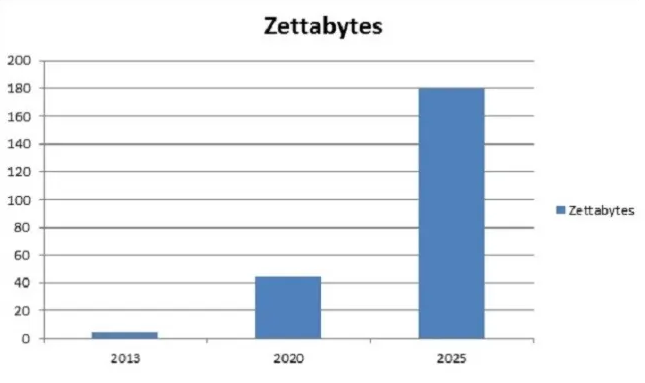
According to IDC and Statista, the world is expected to generate around 181 zettabytes of data annually by 2025 — which translates to roughly 463 exabytes of data created each day. For businesses, this means more customer touchpoints, more operational data, and more opportunities hidden in the numbers.
Data analysts will only become more indispensable in making sense of this complexity, turning data streams into clear, comprehensible insights.
AI and Machine Learning Integration:
Forward-thinking businesses are already using AI-powered analytics manned by machine learning engineers. The future of data analysis lies in these technologies, processing vast amounts of data at incredible speeds, in collaboration with human peers. By investing in data analysis now, you’re laying the essential groundwork for AI integration in the near future.
Flattening of the Edge:
In an increasingly data-rich and data-driven market, analytics is the great equalizer. Small businesses armed with the right insights can spot market gaps, optimize operations, and outmaneuver even larger, well-established competitors. Organizational size will give way to businesses that can use data to innovate and adapt very quickly.
Real-time, Split-second Decision Making:
The business world is accelerating. Quarterly reports are outdated as soon as they land on executive desks. Companies will increasingly require real-time data to make split-second decisions. Data specialists will provide continuous insights, allowing enterprises to quickly pivot based on market conditions.
Regulatory Navigation:
As data becomes more central, regulations around its use will become more complex. Analysts will have to balance compliance and competition, extracting maximum value from data assets that observe increasingly complex regulations.
The Continued Rise of Analytics
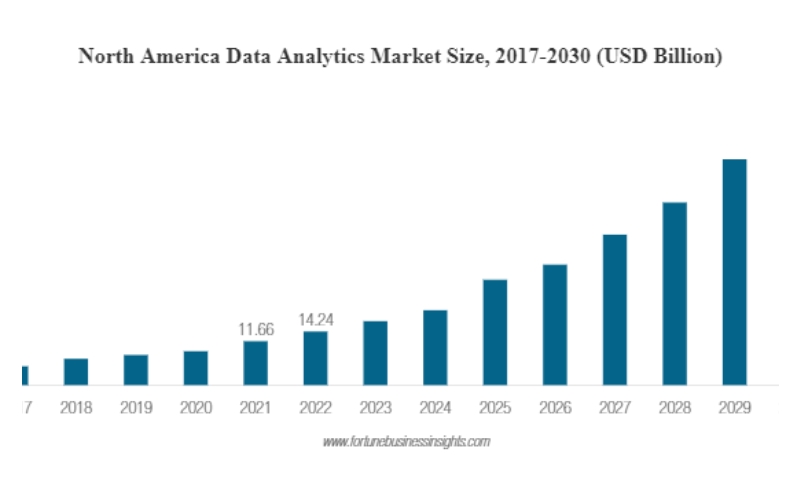
The numbers speak for themselves. According to recent market research, the global data analytics market is projected to surpass $650 billion by 2030, growing at a CAGR of around 27% from 2023 to 2030, driven by AI adoption, cloud migration, and the surge in big data. This explosive growth underscores the increasing value businesses are placing on data analysts and their insights.
For small businesses and startups, the message is clear: the time to hire a data analyst is now.
Data drives decision-making in today’s world. By having someone who can translate complex data into clear, actionable insights, businesses can effectively compete even with the big guys.
The good news is that you don’t need to build a full-time, in-house team to get started. Outsourcing offshore offers an affordable entry point, allowing you to tap into world-class analytical skills without breaking the bank.
Frequently Asked Questions (FAQ)
1. What does a data analyst do for a business?
A data analyst collects, processes, and interprets data to help businesses make informed decisions. They identify trends, measure performance, and provide actionable insights that improve operations, marketing, and financial strategies.
2. Why is hiring a data analyst important today?
With global data creation expected to reach 463 exabytes per day by 2025 (World Economic Forum), businesses that lack analytics expertise risk falling behind. Data analysts turn raw data into insights that drive efficiency, improve customer experience, and support long-term growth.
3. How do data analysts help in decision-making?
Data analysts help decision-making by:
- Identifying trends and customer behavior patterns
- Forecasting sales and demand
- Measuring ROI of marketing campaigns
- Highlighting risks and inefficiencies
- Their work allows leaders to act with confidence rather than guesswork.
4. Can small businesses benefit from data analysts?
Yes. While many assume data analysis is only for large corporations, small businesses can benefit significantly. A single analyst (in-house or outsourced) can optimize inventory, improve marketing ROI, and uncover cost-saving opportunities. Outsourcing makes this expertise affordable even for startups.
5. What is the difference between a data analyst and a data scientist?
- Data Analysts focus on interpreting existing data to answer business questions and guide decisions.
- Data Scientists build advanced models, develop algorithms, and often use machine learning to predict future outcomes.
For most businesses, analysts provide the foundational insights needed before scaling into data science.
6. Is it better to hire or outsource a data analyst?
It depends on business size and budget. Hiring in-house provides dedicated support but can cost $90K–$140K annually (Glassdoor). Outsourcing offers access to equally skilled professionals in countries like the Philippines at 60–70% lower costs, making it a smart option for startups and SMEs.
7. What skills should businesses look for in a data analyst?
Key skills include:
- Proficiency in SQL, Python, R, and Excel
- Strong data visualization skills (e.g., Tableau, Power BI)
- Statistical analysis and forecasting
- Business acumen to align insights with company goals
8. What industries benefit most from data analysts?
Virtually every industry benefits, but especially:
- Retail & eCommerce (sales forecasting, inventory management)
- Healthcare (patient outcomes, operational efficiency)
- Finance (risk management, fraud detection)
- Technology & SaaS (user behavior, product optimization)
Want to learn exactly how?
Kinetic Innovative Staffing makes hiring your own data analyst a breeze—offering guidance and providing the tools to effectively manage remote employees.
Contact Kinetic Innovative Staffing for a free consultation to discuss how outsourcing data analysts and other roles can benefit your business.
Kinetic Innovative Staffing has been providing hundreds of companies in the Asia Pacific, North America, the Middle East, and Europe with professionals working remotely from the Philippines since 2013. Get in touch to know more.