Why Engineers Need a Strategy
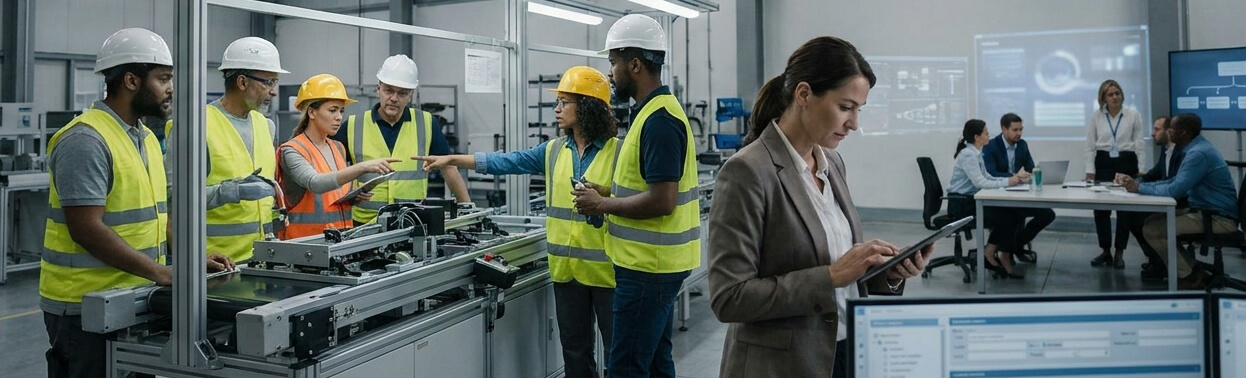
The world that engineering firms work in now is very different from the one they worked in just a few years ago. At the same time, the way work is done, where talent comes from, and how quickly solutions are expected to be available have all changed.

Key Forces Changing Engineering Strategy
At the same time, a lot of things are changing the way engineers work:
1. Globalization has made it possible for people to live anywhere.
- Engineers from all over the world, including different continents, regions, and countries, now work together.
- Talent is no longer limited to one country, city, or office.
- There are more and more projects going on all over the world, with people from different cultures and time zones working together.
2. The process of coming up with new ideas has sped up thanks to digital transformation.
- New tools, platforms, and automation speed up the development process.
- More than ever, people want things to happen faster and for people to try new things.
- Engineering teams have to learn how to use new technologies quickly.
3. Competition has gotten tougher in fields that rely on engineering.
- Traveling through space
- Strength
- SaaS
- Infrastructure
- Advanced manufacturing
Engineering leaders are being asked to do the following in these areas:
- Give a more complex answer
- Go faster than you did before
- Keep the quality up at a higher level
- Do all of this with fewer resources from inside

What is wrong with old engineering models
As these pressures rise, it’s becoming more difficult for traditional engineering models that are based on location to keep up.
Businesses that rely on strict rules and separate teams often have problems with:
- Deadlines that are short and change a lot
- Technologies that change quickly
- Always finishing things on time
- Getting better at what you do when demand goes up
Things that worked well in a stable, localized setting in the past now cause problems in a fast-paced, global setting.
What Has Changed in the Job of the Engineering Manager
The job of the engineering manager is now very different because of this change.
What engineering managers used to focus on:
- Leading teams within the business
- Taking care of individual projects
- Keeping an eye on the technical work
What engineering managers must do now:
- Build networks of engineers
- Build systems, tools, and platforms
- Make sure that everyone on your team and everyone you work with knows what to do.
- Work together in different fields, time zones, and places
From Tactical Help to Strategic Need
This fact has made engineering managers think differently about how to work together.
Strategic partnering is no longer:
- A quick fix
- A way to fill in skill gaps for a short time
- A last resort when time is short
Partnerships have become:
- A key part of the engineering plan
- A reason for being productive over time
- A way to get in touch with everyone
- A machine that keeps making new things
Modern engineering partnerships don’t just want to add capacity.
With productivity engines that can grow and change, businesses can:
- Change fast
- Get the right skills at the right time
- Always come up with new ideas
- Do well in the world market
In this case, partnerships are no longer an option. Engineering companies need them to work, grow, and do well.
What Kinetic Innovative Staffing Does in Today’s Engineering Partnerships
Kinetic Innovative Staffing is a big name in this world that is always changing. Kinetic helps engineering leaders deal with today’s complicated talent ecosystems by making sure that the company’s long-term goals are in line with highly skilled professionals, advanced productivity models, and strategies for working together across multiple locations.
Kinetic does this by being both:
- A partner in making plans
- A way to make the workers work faster
Kinetic helps companies form partnerships that really improve productivity and execution, not just see hiring as a business deal.
What Part I Is About
In this first part of the series, we talk about these things:
- The problems with the structure that are making engineering managers do their jobs differently right now
- How ideas about how engineers should work together have changed over the years
- Important trends that will change how engineers work together and get things done in the future
- Why do engineers need to be leaders so they can work together and do well?
The way engineering management works now isn’t good.
Because the system makes traditional ways of organizing work less and less useful, modern engineering leaders are under a lot of stress. These pressures aren’t separate; they all work together to raise costs, slow down delivery, and lower productivity.
There aren’t enough skilled workers and talented people.
There are more engineers in the world, but there are also more people who don’t know how to do things.
Key points:
- There are about 47.2 million people around the world who write software.
- 74% of employers say it’s hard to find engineers.
- 51% say they don’t have enough people who know how to use AI
Businesses need time to learn about:
- AI
- Learning by doing
- Digital twins
- Cloud-based architectures
- Automation
This means:
- Teams need to put in more effort
- Products take longer to come out
- There is more competition for people with specialized skills.
Kinetic Innovative Staffing’s strategic partnerships and workforce models make it easy for businesses to get the skills they need when and where they need them. They don’t have to go through long hiring processes.
The Future of Working Together in Engineering Management to Get More Done and Reach More People
Engineering Governance and Partnership Frameworks That Help Things Grow
As engineering partnerships move away from short-term transactional support models and toward long-term productivity engines, governance becomes the most important thing that separates high-performing collaborations from expensive, poorly aligned ones.
It’s important to have talent and technology, but it’s even more important to have:
- How decisions are made
- How people are held accountable
- How to measure results
This is what really makes or breaks a partnership.
Leaders in engineering jobs today are in charge of more than one group of people at the same time. They are in charge of ecosystems that have:
- AI-powered systems
- Engineers who work for more than one company
- Partners from other places
- Professionals who work from different places
This complexity can make it harder to get things done, instead of easier, if there aren’t clear rules.

A. Ways to Work Together in Engineering
Good government makes rules but doesn’t enforce them too strictly. It makes things clearer but still lets partners be flexible.
Easy Ways to Be Responsible
One of the main reasons engineering partnerships fail is that they don’t know who owns what.
Some problems that happen often are:
- Issues that stay unsolved
- Options that take longer
- More work is not getting done
Companies that do well create:
- Make sure you know who is responsible for the results, not just the promises.
- Easy ways to make decisions about technology, operations, and strategy
- Help leaders and partner teams talk to each other easily
This makes it clear who needs to fix things when they go wrong.
Putting Results in Line with Common KPIs
Old-fashioned vendor metrics don’t work anymore.
Partnerships that do well keep track of:
- Getting to the market faster
- Fewer problems and better quality
- Making engineering faster and more reliable
- How fast do you think of new ideas?
Understanding the industry:
- 78% of engineering leaders say that costs and deadlines are getting longer.
This shows that we need governance models that are focused on getting things done quickly and reliably.
Kinetic Innovative Staffing helps with this change by hiring engineers who are good at working in environments where results matter.
Regular reviews of performance and feedback loops
One review every year isn’t enough.
Successful partnerships use:
- Ongoing management of performance
Here are some benefits:
- Finding problems early
- Changes to resources in real time
- Always checking that priorities are in order
This changes the role of engineering management from making plans to dealing with changes.
B. Companies working together and following the rules all over the world
When engineering partnerships cross borders, businesses must follow the rules.
Making it simple to follow the rules
When doing global engineering work, you must follow these rules:
- Safety and quality rules
- Rules about how to keep data safe and private
- Rules for following the law that are specific to the industry
Many businesses now use:
- Platforms for compliance that work together
- A single view of all areas
This keeps things the same while also letting them change.
Using Project Portfolio Management (PPM) as the Basis for Management
Project Portfolio Management systems help leaders:
- Keep an eye on projects that are going on right now around the world
- Move things around as needed
- Make sure that engineering work is in line with long-term goals
Market trend:
- The global PPM market will probably keep growing steadily until 2030.
Kinetic Innovative Staffing helps partnerships that are ready to follow the rules by matching talent with regulated environments.
Technology that helps engineering partners get more done
Technology is now the most important part of distributed engineering ecosystems.
A. Cloud-Native and Platforms That Work Together
Based on information from the industry:
- 78% of engineering firms are getting ready to go digital
- 48% of them work together every day using cloud tools
- 66% of people use technology for digital twins
Cloud platforms let you:
- Work together in real time all over the world
- Workflows that keep track of different versions
- Clear view of partners
Kinetic Innovative Staffing makes sure that skilled workers know how to use new tools for working together.
B. Project management software that can be used in more than one country
Now, modern PMS systems:
- Use AI to guess risks and timelines
- Connect teams inside the company with partners outside of it
- Help with working from home and in a hybrid way
Reported benefits:
- Better teamwork between departments
- Work of higher quality
- Faster delivery times
PMS is a single place where all engineering ecosystems can find the truth.
C. Digital twins and platforms for simulation
You can do the following with digital twins:
- Maintenance that is based on what you think will happen
- Reducing risk
- Real-time optimization
- Making choices between teams
Information about adoption:
- 60% of engineering firms now use digital twins
For adoption to work, it has to:
- Have faith
- Being a leader
- Everyone agrees on technical standards
D. Tools that use AI to make engineering better and more productive
Results from the World Quality Report 2025:
- 89% are considering generative AI
- Only 15% have really done it
This gap shows how important it is to:
- People who are good at what they do
- Management
- Understanding of integration
Companies look for partners who can:
- Use AI in a safe way
- Check the results
- Go beyond test flights
Kinetic Innovative Staffing fills this gap by hiring engineers who know how to work with AI.
How to Tell If Partner-Driven Engineering Management Is Working
A. Ways to measure engineering productivity
Some of the most important signs are:
- Time between cycles
- How often do deployments take place?
- Rates of mistakes
- Use of resources
These numbers show how well the plan is working.
B. Metrics for Business Impact
Businesses keep track of:
- Get to the market sooner
- Customers are happy
- Money made from projects that partners help with
- Return on investment (ROI) in engineering
C. Signs of a Good Partnership
Advanced groups think about:
- Following the SLA
- Help with new ideas
- How well people communicate
- Making sure the strategy is in line
Partnerships should help you succeed in the long run, not just right away.
Conclusion: What We Found Out in Part II
Part II shows that engineering partnerships can work very well when they have the following:
- Strong rules
- New ways to work together with technology
- Easy ways to measure things
Engineers who invest in these foundations can grow their businesses around the world without losing quality, speed, or strength.
How Engineering Management Can Partner Up in the Future to Reach More People and Get More Done
Problems and risks that can happen when people work together to make engineering better around the world
Partnerships in engineering can be very helpful and help things grow, but they can also be dangerous and hurt results if they aren’t managed well. Good engineering leaders know that picking good partners is just as important as planning for risks ahead of time.

A. Things That Make It Hard for People to Talk About Their Culture
Engineers from different parts of the world, in different time zones, and with different ways of doing things often work together on projects that affect everyone.
Here are some of the most common issues:
- Different ways to think about technical specs and needs
- Delays caused by talking to people in different time zones that isn’t in real time
- Different ideas about who is in charge, who is responsible, and what to do when things go wrong
How to Lower the Risk
- Tracking systems that everyone can use
- Rules that make it easy to talk to each other
- Onboarding programs that work in different cultures
Engineering managers are starting to act more like cultural translators to make sure that everyone on a team understands the goals and outcomes.
Kinetic Innovative Staffing helps companies by finding engineers who can work well with people from a wide range of cultures.
B. Risks to Intellectual Property (IP) and Data Security
Most engineering projects have:
- Sensitive designs
- Algorithms that are just for you
- Data that is controlled
Some common risks are:
- Not sure who owns the IP
- Not following the rules about privacy that apply around the world
- Systems that work together have weak cybersecurity
Plans to Lower Risk (Table)
| Risk Area | Step to Lower Risk |
| Who owns IP | Contracts with clear definitions |
| Getting to Data | Controls for access based on roles |
| Keeping information safe | Secure platforms |
| Following the rules | Outside parties check security regularly |
Kinetic Innovative Staffing checks to make sure that professionals have worked in safe, compliant engineering environments before.
C. Being stuck with one vendor and having to rely on them
If you depend too much on one partner, you could:
- Not as much freedom
- New ideas are taking longer to develop
- Losing information that the institution has
Ways to Limit the Damage
- Modular partnership ecosystems
- Knowledge is always being shared within the company
- Standardized forms
This method keeps things the same and makes them strong.
D. Incentives That Don’t Work and Results That Change Over Time
When performance is only judged by:
- Things that have been done
- Hours worked
There is a chance that things won’t line up.
Make a Plan for Reducing Damage
- Contracts that are based on results
- KPIs that are in line with business impact, quality, and productivity
- Regularly look over incentives

How to Make Important Engineering Partnerships
These are the ways that organizations that always do well with partnerships work.
1 Picking a Partner Based on Skills, Not Just Price
Some of the most important things to think about when choosing are:
- A lot of experience and knowledge in both the field and technology
- Worked with engineering teams from all over the world
- Knowledge of other cultures
- The ability to change to meet the needs of the business
Kinetic Innovative Staffing is all about having a lot of skills and making a difference right away.
2. Models of Engagement for Pilots First
Businesses that do well:
- Start with small pilot projects
- Look at the quality and the output
- Scale based on information about how well things are going
Pilot-first models lower risk and help people make decisions that will last.
3. Making plans for the road and working together
High-impact partnerships work together to create:
- Plans for new products and ideas
- Better ways to get things done
- Plans for using technology in a smart way
People stay interested after delivery because of co-creation.
4. Regular reviews and feedback on how well you’re doing
Regular reviews make sure that:
- KPIs are still helpful
- Problems are found early
- Always getting better
5. Investing in relationship management
Having specific roles makes things better:
- Having a conversation
- Being in charge
- Working together for a long time
People are what make partnerships work.
Case Studies: Collaborating to Enhance Global Engineering Efficiency
Case Study 1: A SaaS Company That Speeds Up Product Delivery
| Category | Details |
| Where | Details |
| Issue | There aren’t enough AI engineers. |
| Answer | Partner-led model for engineering |
| Outcomes | 30% less time to get to the market |
Case Study 2: A Factory That Uses Follow-the-Sun Engineering
| Category | Details |
| Put | More Details |
| Problem | Cycles in engineering that don’t work well |
| Answer | Shared platforms and governance |
| Results | Almost constant growth |
Case Study 3: A Company That Builds Infrastructure and Works with Digital Twins
| Category | Details |
| Put | More Details |
| Problem | Operations that are risky and have poor asset management |
| Answer | Knowledge of external digital twins |
| Results | Lowering risk and doing maintenance ahead of time |
How Engineering Leaders Should Plan
To keep partnerships and engineering management going:
1. Get Ready
- See how well people work together and how much they get done
- Look for partner opportunities right away
2. Change What Leaders Do
- Change from overseeing to directing
- Run ecosystems that are spread out
3. Put Money Into Things That Work
| Category | Focus / Details |
| Put | Focus |
| Platforms | PPM and working together in the cloud |
| Tools | Using AI in engineering |
4. Make Models of Talent That Can Change
- Combine experts and partners from inside the company
Call Kinetic Innovative Staffing to help you build teams that are flexible and have a big impact.
5. Count What Counts
- Look at the results instead of the outputs
- Make sure that KPIs are in line with the value of the business
The Future: Leading an Ecosystem as an Engineering Manager
In the next three to five years, engineering management will focus on the following:
- Working together with AI helps
- Engineering teams that can be split up into smaller groups
- Density of capabilities compared to headcount
- Speed and adaptability
Strategic partnerships are very important.
Final Thought
The future of engineering management depends on people working together, being spread out, and getting things done. Strategic partnerships let you:
- The world’s productivity
- Get to experts faster
- AI and digital twins help you choose the best option
- Growth around the world that lasts a long time
Kinetic Innovative Staffing makes this change possible by giving you the right people, partnerships, and size.
Frequently Asked Questions (FAQs)
- Why are partnerships so important for engineering projects these days?
- By bringing together people with different skills, partnerships help businesses grow faster, save money, and make it easier for people from different countries to work together.
- How do engineering partnerships help people finish their work?
- They help managers stay focused on their long-term goals, give them better tools, and speed up the time it takes to get to market.
- How does AI help engineers work together?
- AI can automate tasks, make things better, and help people make decisions when it is used with good leadership.
- What can businesses do to protect themselves?
- Clear contracts, good leadership, safe platforms, and a lot of partner ecosystems.
- What does Kinetic Innovative Staffing do to help engineering companies?
- Kinetic gives engineers from all over the world the chance to work together in ways that focus on results and let teams grow.
Sources and References
Artificial Intelligence, Quality Engineering & Automation
Engineering Services Market & Industry Outlook
Digital Transformation, Collaboration & Engineering Platforms
- Engineering Collaboration Market Share & Industry Trends 2030 — RealTimeDataStats
- Digital Transformation in the Engineering Industry — ZIPDO Education (2025)