

With construction costs predicted to rise by as much as 7% in 2025, many companies are turning to offshore estimators to stay competitive.
But can they match the expertise of local professionals?
For years, the construction industry trusted only local experts and dismissed offshore estimators as a cost-cutting option suited only for routine projects.
But as outsourcing gains widespread traction in other fields, construction companies are feeling the pressure to follow suit. Can offshore teams truly match the industry knowledge and attention to detail required for complex, high-stakes construction projects?
This article tackles the tough questions to help you weigh your options and make the best choice for your next development.
I. Understanding Offshore Estimators and Local Experts

What Are Offshore Estimators?
Construction involves costs. An estimator’s job is to help business owners and construction professionals get the financial picture and understand how much a specific project costs.
“Offshore estimators” are professionals based in countries such as the Philippines and India, who specialize in creating accurate cost estimates for construction projects.
These estimators typically have expertise in construction, engineering, IT, and other specialized fields. They work remotely, leveraging their expertise and employing estimating tools, methodologies, and industry standards to provide reliable data for project managers and business owners.
What Makes Local Experts Different?
Local estimators bring a different set of strengths to the table. Their familiarity with local regulations, building codes, and material pricing provides a unique advantage when estimating projects in their home market.
For instance, a local estimator in the U.S. might know the nuances of state-specific compliance requirements or have firsthand knowledge of regional material shortages, which can significantly impact project timelines and budgets.
Additionally, local experts often have established relationships with suppliers and subcontractors, which can streamline communication and negotiation processes. Their presence on the ground enables them to conduct site visits and collaborate directly with project teams.
According to the U.S. Bureau of Labor Statistics, there is an expected 4% decline in the number of local cost estimators through 2033—highlighting the need for more offshore professionals to fill the vacancies caused by those who have retired or transferred to other occupations.

Differences in the Work Environment
The work environment for offshore estimators and local experts reflects their distinct setups. Offshore teams rely heavily on technology to bridge the geographical gap, using advanced collaboration tools like ProEst, Bluebeam, and cloud-based project management platforms to communicate with clients in real-time.
Their ability to work across different time zones often results in a 24/7 workflow, enabling faster turnaround times for deliverables.
In contrast, local experts benefit from direct access to the project site and local networks, allowing them to address issues on the ground quickly. However, this hands-on advantage may come with higher costs due to local wage rates and overhead expenses.
By understanding these differences, businesses can decide if offshore estimating services and solutions suit their project needs. Whether it’s the cost efficiency of offshore estimator talent or the local insight provided by domestic experts, each has its strengths depending on the project’s scope and complexity.
II. How Effective Are Offshore Estimators for Complex Projects?

Offshore estimators excel in complex projects, leveraging advanced tools like ProEst and Bluebeam to deliver accurate estimates. Their expertise and cost-efficiency make them a strong alternative to local experts.
-
Skills and Expertise of Offshore Estimators
Offshore estimators are highly skilled professionals with specialized training in areas like construction management, quantity surveying, civil engineering, architecture, and etc.
These technical professionals are well-versed in global construction standards and practices—and come with experience handling high-value projects for international clients. Plenty of offshore estimator talent have a demonstrated ability to deliver accurate and reliable estimates.
-
Tools and Technologies Used by Offshore Teams
Offshore estimators leverage state-of-the-art software and tools to overcome the challenges of working remotely. Leading platforms like ProEst, Bluebeam, and PlanSwift allow them to craft accurate takeoffs and generate precise cost analyses.
Cloud-based solutions enable real-time collaboration between offshore and onshore teams, ensuring smooth communication across time zones.
There are practically no technology gaps between onshore and offshore colleagues, as workers anywhere on the globe get access to the same tools and technology.
Professionals offering offshore estimating services might even be quicker to adopt these emerging tools such as AI-powered estimating software and BIM (Building Information Modeling) systems, as much of the value they bring to the table, their accuracy and efficiency, rests on employing advanced tools.
-
Track Record On Complex Offshore Projects
Offshore construction estimators have a proven track record of successfully managing intricate and high-stakes projects.
For instance, an Australia-based construction firm outsourced the estimation for a multi-million-dollar commercial project to a team in the Philippines. The offshore team utilized advanced estimating software to handle detailed materials takeoff, factoring in local market conditions through client-provided data.
The result? A highly accurate estimate that kept the project on budget and avoided costly errors.
Another notable case involved a U.S.-based company working on a large-scale infrastructure that hired an offshore team–which not only delivered precise cost breakdowns but also identified opportunities for cost savings by suggesting alternative materials sourced from international suppliers.
These recommendations ultimately shaved 10% off the project’s overall cost with no negative impact on quality.
These examples, and many others, illustrate that offshore estimators have the skills, tools, and experience to manage even the most demanding projects–making them a viable alternative to expensive local experts.
III. How Does Offshore Estimating Work for Large-Scale Projects?
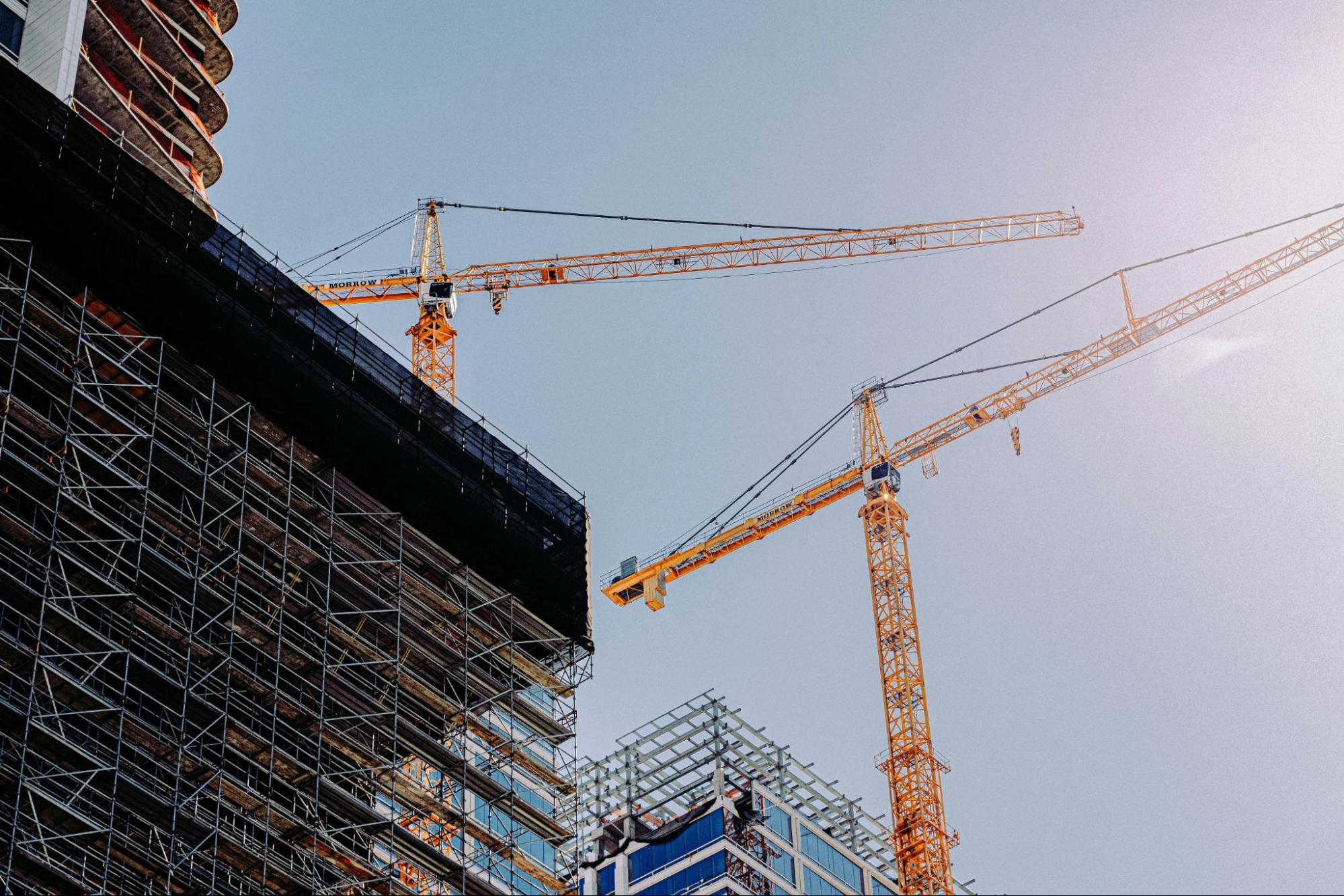
A U.S. construction firm saved 40% on labor costs and met tight deadlines by outsourcing a $50 million retail project to a skilled offshore team. Advanced tools and real-time collaboration ensured 98% estimate accuracy.
Objective
To partner with a reliable offshore estimating team to deliver:
- Comprehensive cost estimates covering materials, labor, and other project variables.
- Timely delivery to meet the project’s fast-tracked timeline.
- A cost-effective solution that maintained high levels of accuracy and detail.
Process
- Selecting the Offshore Team
The client chose an estimating firm based in the Philippines, known for its pool of skilled professionals experienced in handling international projects. The offshore team included certified estimators with expertise in retail and commercial construction. - Tools and Technology
The offshore team used advanced software, including:- Bluebeam Revu for material takeoffs and document management.
- ProEst for cost estimation and proposal creation.
- Microsoft Teams for real-time collaboration and communication.
The offshore team also integrated seamlessly with the client’s project management software, enabling smooth coordination across time zones.
- Estimation Workflow
- Data Collection: The client provided detailed blueprints, scope documents, and local cost data for materials and labor.
- Material Takeoff: The offshore team used Bluebeam to calculate precise quantities of materials required for construction.
- Cost Analysis: Using ProEst, the team developed a detailed cost breakdown, factoring in potential price fluctuations and regional variations in material and labor costs.
- Client Collaboration: Weekly virtual meetings ensured alignment and allowed the client to provide feedback, enabling adjustments as needed.
- Addressing Challenges
- Time Zone Differences: While initially seen as a potential hurdle, the 12-hour time difference became an advantage. The offshore team worked overnight to deliver updates for the client to review during their working hours.
- Local Market Insights: The offshore team relied on the client’s data and conducted independent research to ensure estimates reflected U.S. market conditions.
Results
- Accurate and Detailed Estimates
The offshore team delivered a 200-page estimate that included detailed material takeoffs, labor costs, and contingency planning. The estimate was 98% accurate, verified by a third-party auditing firm. - Cost Savings
By outsourcing the estimating process, the client saved approximately 40% in labor costs, compared to hiring an in-house team. - Faster Turnaround
The project estimate was completed within three weeks, meeting the client’s tight deadline and allowing them to proceed with bidding and procurement without delays. - Improved Resource Allocation
With the offshore team handling the estimating process, the client’s in-house staff could focus on project management and client relations, improving overall efficiency.
Key TakeawaysThis case study demonstrates the value of offshore estimating for large-scale projects:
- Cost-Effectiveness: Offshore teams can significantly reduce labor costs without compromising quality.
- Access to Skilled Professionals: Countries like the Philippines offer a large pool of certified estimators with industry expertise.
- Efficiency and Flexibility: Offshore teams can adapt to tight deadlines and time zone differences, ensuring seamless collaboration.
- Advanced Technology: The use of cutting-edge tools allows offshore estimators to deliver precise and reliable results.
By partnering with a team offshore, the U.S.-based construction firm achieved its objectives, staying on budget and schedule, proving that offshore estimating is a viable solution for complex, high-value projects.
IV. Common Concerns with Offshore Estimating and How They Are Addressed

Businesses considering offshore estimating often have concerns about accuracy, local knowledge, and communication. These worries can be addressed with proper training, client data integration, and collaboration tools like Slack, Zoom, or Microsoft Teams.
Offshore teams are capable of delivering precise estimates while following regional standards.
1. Accuracy and Attention to Detail
A key concern is whether remote professionals can match the precision of local experts. Skeptics worry that distance, cultural differences, or unfamiliarity with projects could lead to mistakes.
Why offshore estimators excel:
- Specialized Training: Many offshore professionals have education and certifications in fields like engineering, construction management, or software tools such as Bluebeam, ProEst, and Autodesk.
- Standardized Processes: Structured workflows and quality checks reduce errors. Multiple layers of review ensure accuracy.
- Collaborative Reviews: Peer reviews before submission further guarantee precise estimates.
Offshore teams combine training, tools, and processes to consistently produce high-quality results.
2. Local Knowledge
Another common worry is that offshore estimators may not know local regulations, zoning laws, or market trends. Experienced teams address this concern effectively:
How offshore teams adapt:
- Conduct research on regional building codes and market conditions
- Partner with local consultants for reviews and compliance checks
- Use client-provided data to fine-tune estimates
Example: A U.K. construction firm successfully used offshore estimators from the Philippines who worked with a local consultant to comply with complex building codes.
3. Communication Barriers
Time zones, cultural differences, or language can create miscommunication. Successful offshore teams mitigate these challenges through:
Strategies for clear communication:
- Proactive Scheduling: Coordinate meetings during overlapping working hours
- Shared Platforms: Tools like Asana, Trello, Slack, or Microsoft Teams centralize updates and documents
- Cultural Training: Staff receive training to improve client interactions and understanding
Daily standups or weekly check-ins ensure alignment and project progress.
Offshore estimating concerns are valid, but they can be effectively managed with planning, tools, and strong communication. Offshore teams can deliver accurate, detail-oriented work, follow local regulations, and maintain clear client communication.
With these measures, businesses can confidently consider offshore estimating as a reliable and cost-effective solution for their projects.
V. How Do Offshore Estimators Compare to Local Experts in Performance?

Cost Comparison
When it comes to cost-effectiveness, offshore estimators have a clear advantage. Hiring an offshore estimator can reduce costs by 50% to 70%, thanks to lower labor costs in countries like the Philippines and India.For instance, the average hourly rate for an estimator in the U.S. is $44, while an offshore estimator with comparable expertise in the Philippines typically costs between $10-$15 per hour. This would easily save a company $50,000 annually per estimator, while still achieving project milestones. For small to mid-sized firms, this reduction is significant and can translate into critical reinvestments in the business.
Offshore estimators can save 50–70% in costs and often deliver results faster, while maintaining quality comparable to local experts. Local estimators may have stronger knowledge of regional regulations, but offshore teams offer scalability and efficiency. Understanding the differences helps businesses make the best choice.
1. Cost Comparison
Offshore estimators provide a clear financial advantage:
- Lower hourly rates:
- U.S. estimator: ~$44/hour
- Offshore estimator (e.g., Philippines): $10–$15/hour
- Annual savings: Hiring offshore can save around $50,000 per estimator per year.
- Impact: Cost savings allow small and mid-sized firms to reinvest in growth or scale projects.
2. Quality and Precision
Many worry that offshore teams cannot match local experts’ quality. In reality:
- Offshore and onshore teams use the same professional tools, like Bluebeam, ProEst, and PlanSwift.
- Standardized workflows and rigorous quality checks ensure accurate results.
Factors supporting offshore quality:
- Ongoing training: Professionals keep updated on industry trends and software.
- Dedicated teams: Offshore firms assemble specialized teams for complex projects.
- Research: Teams study local codes and project requirements.
- Peer reviews: Multi-layered checks reduce errors before submission.
Offshore estimators consistently deliver results that meet industry standards.
3. Speed and Efficiency
Offshore teams often outperform local experts in turnaround times:
- Fast hiring: Outsourcing providers have trained professionals ready to start immediately.
- Scalable teams: Businesses can hire more people for faster project completion.
- 24/7 availability: Time zone differences allow offshore teams to work overnight, so results are ready by the client’s next business day.
Example: A mid-sized Australian construction firm reduced project timelines by 25% on high-rise projects by using offshore estimators with round-the-clock availability.
Key advantages driving offshore efficiency:
- 24/7 work cycles: Teams can operate outside client hours.
- Streamlined processes: Agile workflows prioritize urgent tasks without sacrificing quality.
- Scalable resources: Teams can expand or shrink based on project needs.
Offshore estimators provide cost savings, high-quality work, and faster delivery. While local experts may excel in regional knowledge, offshore teams combine precision, efficiency, and scalability, making them a strong choice for businesses looking to optimize estimating processes.
VI. How Do Offshore Estimators Help Win Bids?

Offshore estimators can increase bid volume, reduce costs, and improve project win rates. Many businesses use offshore teams to handle high workloads while maintaining accuracy and speed.
Here’s a real example:
Client Example
Client: A U.S.-based construction company specializing in high-rise residential buildings
Challenge:
- Local estimating teams were overworked due to a surge in projects
- Bidding errors and delays caused lost opportunities
- Needed a cost-effective way to produce precise estimates
Solution:
- Partnered with an offshore estimating firm in the Philippines
- Team of 10 trained estimators familiar with the client’s software tools
- Collaborated with in-house staff using Slack and Asana
Results:
- Increased Bid Volume: More than doubled bids submitted in six months
- Faster Turnaround: Estimates completed 30% faster than before
- Cost Savings: Saved over $200,000 annually on labor costs
- Higher Win Rate: Secured 35% more projects than the previous year
Why Offshore Estimators Work
Offshore teams provide cost-efficiency, scalability, and expertise, which help businesses handle large or complex projects affordably.
Key benefits:
- Deliver precise estimates quickly
- Scale teams up or down based on project demand
- Collaborate seamlessly with in-house staff
- Maintain high-quality work that improves bid success
Local experts are still valuable for their in-depth knowledge of regional regulations, but offshore teams complement them by providing speed and efficiency.
The Takeaway
Choosing between offshore estimators and local experts isn’t about “either/or.” The best results come from combining offshore efficiency with local expertise.
Outsourcing estimating tasks to skilled offshore teams can lower costs, boost productivity, and improve bid outcomes.
For businesses ready to explore offshore services, Kinetic Innovative Staffing can help you maximize efficiency and project success.
FAQ: Offshore Estimators vs. Local Experts in Construction
What Are Offshore Estimators?
Offshore estimators are professionals based in countries like the Philippines and India who specialize in creating accurate cost estimates for construction projects, drawing on expertise in construction, engineering, and IT while using remote tools and methodologies.
How Do Offshore Estimators Differ from Local Experts?
Offshore estimators rely on technology for remote collaboration and offer cost efficiency with 24/7 workflows, while local experts provide advantages in regional regulations, material pricing knowledge, and on-site access, though at higher costs due to local wages.
Are Offshore Estimators Effective for Complex Projects?
Yes, offshore estimators are highly effective for complex projects, with specialized training in global standards, tools like ProEst and Bluebeam, and a proven track record of delivering accurate estimates that save costs, such as shaving 10% off project budgets through alternative material suggestions.
What Tools and Technologies Do Offshore Teams Use?
Offshore teams use advanced software like ProEst for cost estimation, Bluebeam for material takeoffs, PlanSwift for analyses, and cloud-based platforms like Microsoft Teams or Slack for real-time collaboration, often adopting AI-powered tools and BIM systems faster than local teams.
What Are Common Concerns with Offshore Estimating and How Are They Addressed?
Common concerns include accuracy, local knowledge gaps, and communication barriers; these are addressed through rigorous training, certifications in tools like Autodesk, client-provided data for regulations, and tools like Zoom for clear interactions, ensuring precision and compliance.
How Do Offshore Estimators Compare to Local Experts in Performance?
Offshore estimators provide 50-70% cost savings (e.g., $10-15/hour in the Philippines vs. $44/hour in the U.S.), comparable quality via standardized tools and peer reviews, and superior speed with 24/7 cycles, though locals excel in regional insights.
Kinetic Innovative Staffing has been supporting businesses across Asia Pacific, North America, the Middle East, and Europe with highly skilled remote professionals from the Philippines since 2013. Contact us today to discover how we can support your team.