Studies show that construction budgets are blown by an average of 28%.
That’s nearly one-third of the original budget!
When every dollar is on the line, precise estimates can make or break a project. Yet, skilled estimators are harder to find and command steep salaries—leaving companies under mounting pressure.
Enter offshore estimators: a budget-friendly and reliable option that may just reshape how construction projects get priced.
In this post, we look at the impact of offshore estimators and see how they make construction companies globally competitive.
Section 1: Understanding Estimators and Their Role in Business
The U.S. construction industry is expected to grow by $1.1 trillion from 2022-2027.
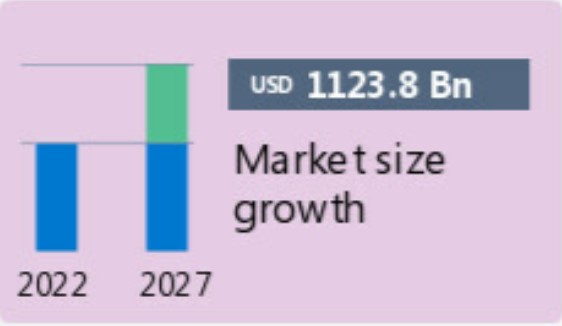
As this growth spurs demand for larger and more complex projects, good estimators are more important than ever.
They are the linchpin of project planning—meticulously analyzing costs, labor, and materials. In this section, we’ll discover how they not only prevent costly surprises but also set the stage for project profitability.
What is the Purpose of an Estimator?
Estimators assess project costs (eg. labor and materials) and determine timelines so that budgets are realistic and controlled.
For instance, when a major hospital project in Texas was initiated, the estimator’s detailed analysis of material prices, labor rates, and timeline projections allowed management to see how much the whole thing would cost and even set aside contingency funds, for when something happens.
In short, a construction estimator scrutinizes every detail, ensuring that a robust and transparent analysis backs cost expectations.
Estimation: The Job
Estimation is a structured process that begins well before any physical work begins, and involves calculating both direct costs (like materials and labor) and indirect costs (such as permits and administrative fees).
Estimates are primarily prepared by estimators, but it is a collaborative effort. Project managers and finance teams contribute essential insights to ensure that every potential expense is considered.
In large commercial projects, estimators work closely with the finance department, which is interested in the feasibility and profitability of the project.
Accurate estimation is crucial because it helps businesses control costs and avoid unforeseen expenses.
To this end, estimators work on tasks like:
- Gathering cost data: Collecting the latest information on material prices, labor costs, and equipment rates.
- Negotiating supplier prices: Securing competitive rates to reduce overall expenses.
- Conducting risk assessment and contingency planning: Identifying potential risks and planning for unexpected costs.
For instance, in one highway expansion project, the estimator negotiated supplier contracts that resulted in a 15% cost saving compared to initial estimates.
What Are the Two Types of Estimators?
There are two primary categories of estimators:
- Preliminary Estimators: They provide initial cost estimates based on early, conceptual plans. These estimates help determine project feasibility and secure initial funding.
- Detailed Estimators: They perform an in-depth analysis using comprehensive project blueprints, refining cost estimates as plans become more detailed. This is when the rubber meets the road.
Many large-scale projects begin with a preliminary estimate to gauge overall costs and then, when the project is a “Go,” transition to detailed estimating to ensure every component is accurately priced.
Are Estimators Engineers or Architects?
While many have engineering backgrounds, their role, and expertise are distinct. Estimators focus on financial projections rather than technical design. Their expertise lies in looking at proposed designs and, blending technical know-how with prevailing market prices, and plot costs—rather than making the design themselves.
What is the Difference Between a Quantity Surveyor and an Estimator?
Estimators and quantity surveyors both manage project costs but at different stages:
- Estimators predict the overall cost before a project begins, providing a blueprint for the expected expenditure.
- Quantity Surveyors continuously monitor and manage expenses during the project’s execution, ensuring the budget remains on track.
For example, an estimator might deliver a comprehensive pre-construction cost report for a new commercial building, while a quantity surveyor monitors actual expenditures on-site, adjusting for any changes.
Can Anyone Be an Estimator?
While many estimators come from engineering or finance backgrounds, dedicated training programs and certifications have made the field accessible to a broader range of professionals who possess the required skill set.
Becoming one requires:
- Strong analytical thinking: Essential for interpreting complex data and financial projections.
- Knowledge of construction and materials: Understanding industry standards and material specifications is crucial.
- Proficiency in cost estimation software: Tools like CostX or PlanSwift are indispensable for modern estimators.
SECTION 2: Construction Estimation in Action

The theory comes alive in practice! Let’s walk through an estimation task from start to finish, and get a bird’s eye view of how an estimator gets the job done.
Step 1: Reviewing Project Plans and Requirements
Before calculations begin, the estimator carefully studies:
- Blueprints and Drawings – Architectural and structural plans outlining scope.
- Project Specifications – Material choices, finishes, and technical details.
- Client Requirements – Budget constraints, deadlines, and key concerns.
Step 2: Measuring Everything Needed (Quantity Takeoff)
The estimator performs a quantity takeoff, breaking down materials, labor, and equipment needs using software like PlanSwift or Bluebeam.
Measured Items Include:
- Concrete – Cubic yards needed for foundations and slabs.
- Steel – Tonnage required for beams and columns.
- Drywall – Square footage needed for interior partitions.
- Paint & Finishes – Gallons of paint, flooring, and ceiling materials.
Step 3: Applying Material and Labor Costs
With the quantities determined, the estimator assigns costs to each item. The determined price is multiplied by the estimated amount needed. Estimators use standard tables and prevailing prices depending on factors like project location.
Important line items include:
- Material Costs – Prices for wood, steel, concrete, insulation, and glass.
- Labor Rates – Hourly or daily wages for carpenters, electricians, plumbers, etc.
- Equipment Costs – Rentals or operational expenses for cranes, bulldozers, and scaffolding.
Step 4: Factoring in Overhead, Profit, and Miscellaneous Expenses
To ensure profitability, other additional costs are included:
- Overhead – Administrative costs, permits, insurance, office expenses.
- Profit Margin – A percentage added to account for business growth and risks.
- Contingency Budget – A buffer (typically 5–10%) for unexpected costs.
Step 5: Finalizing and Presenting the Estimate
The estimator compiles a detailed cost estimate report, including:
- Cost Breakdown – Materials, labor, equipment, and overhead.
- Project Timeline – Estimated schedule based on work phases.
- Risk Factors & Adjustments – Recommendations for reducing costs or optimizing processes.
Construction estimation is a meticulous, data-driven process—ensuring construction businesses do not lose money on their projects.
Section 3: Common Challenges in Cost Estimation & How Offshore Solutions Solve Them
Cost estimation is rife with challenges that can derail even the best-laid plans. Let’s look at some of them in this section and explore how offshore outsourcing is the smart way to overcome said challenges.
Problem 1: High Cost of In-House Estimators
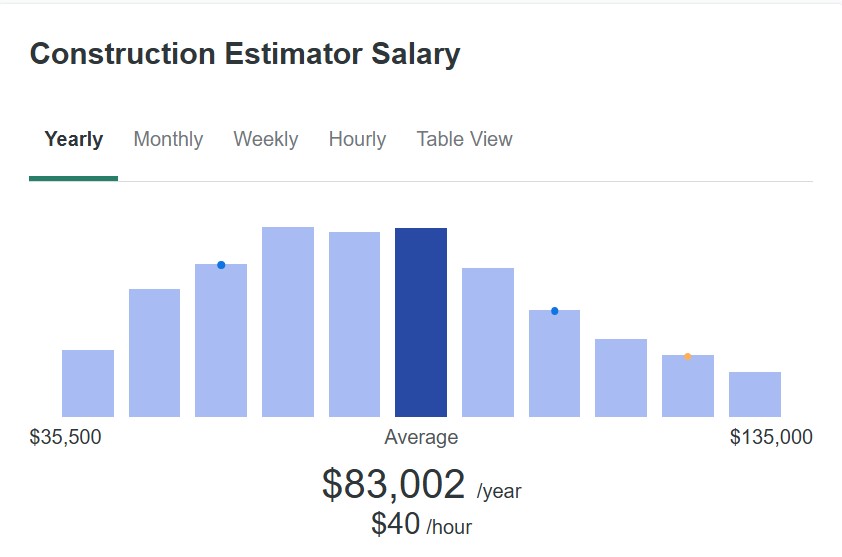
Skilled estimators in markets like the US, UK, Australia, and Canada command significant salaries—typically $83,000 per year, or around $40 per hour. These high costs can strain budgets, particularly in small and mid-sized companies.
Solution:
Offshore estimators often cost 70% less. They usually work out of countries like the Philippines, India, or Vietnam and are an obvious cost-effective alternative. For instance, in the Philippines, the annual salary of a highly skilled estimator is only $22,900.
A mid-sized construction firm in the United States recently transitioned a portion of its estimation work to an offshore team based in the Philippines. That shift resulted in over 70% reduction in labor costs while maintaining the output standards.
The savings were then redirected towards improving project infrastructure and technology upgrades.
Problem 2: Errors Leading to Losses
Studies indicate that inaccurate estimates are one of the top reasons for cost overruns. These errors can lead to significant losses, project delays, and strained relationships with stakeholders. Even minor miscalculations can cascade into larger issues once the project is well underway.
Solution:
AI-driven tools are a godsend for the estimation industry. These tools enhance accuracy, reduce human error, and minimize errors in cash-strapped companies.
Technology levels the playing field as offshore estimators are leveraging the very same tools used by local talent.
A large infrastructure project in North America integrated AI-powered estimation software via its offshore team. As a result, the project had a more reliable budget forecast, with no noticeable reduction in the quality of the work. In fact, the offshore team proved quicker in submitting figures and reports.
Problem 3: Labor Shortages
Developed nations, particularly the US, are grappling with a significant labor shortage. Projections suggest that the US construction industry could face a shortfall of around 500,000 workers by 2026. This scarcity extends to skilled estimators, making it increasingly challenging to secure the necessary talent locally.
Hiring outside talent, with the intent of bringing them into the country is an impossible task as securing work permits and visas is harder than ever. The odds are against small and medium companies hoping to secure good talent.
Solution:
By tapping professionals who work remotely, businesses can bypass all labor and legal constraints and quickly access highly skilled estimators, ensuring project continuity.
A US-based construction company, facing recruitment challenges amid a tightening labor market, decided to partner with an offshore estimating team. The collaboration upped their productivity and allowed them to send more bids—demonstrating how remote services can effectively bridge the talent gap.
The challenges of high costs, errors, and talent shortage are effectively addressed by offshore estimators. In the next section, we look even more closely into offshore estimators and see why companies stand to benefit loads from their services.
SECTION 4: Why Choose Offshore Estimators? Key Benefits
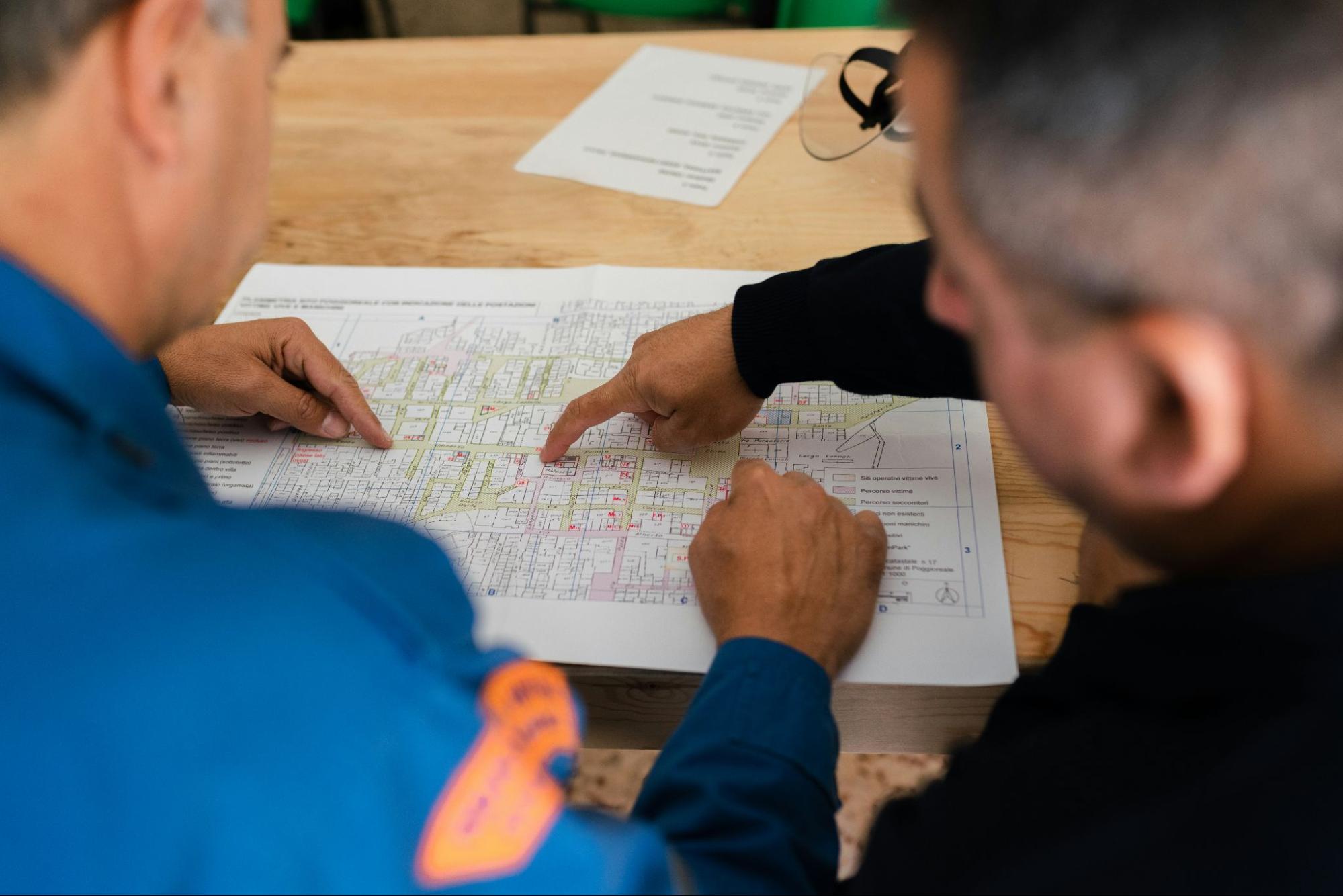
Offshore estimators help construction firms stay competitive with cost savings, efficiency, and flexibility. Below are answers to common questions about their benefits.
What Are the Benefits of Offshore Estimators?
Offshore estimators offer:
- Cost Savings: Up to 70% cheaper (e.g., $22,900/year in the Philippines vs. $83,000 in the US).
- Quality: Same expertise as local estimators, using tools like CostX.
- Efficiency: Focused tasks and 24/7 productivity via time zones.
- Global Expertise: Experience with diverse international projects.
- Scalability: Adjust team size for project needs.
Example: A Texas firm saved 70% by outsourcing to a Philippine team, praising their accuracy.
Why Are Offshore Estimators Cheaper?
- Lower Salaries: $22,900/year vs. $83,000/year in the US.
- No Overhead: Remote work cuts office costs.
- Same Tools: Use PlanSwift, Bluebeam, ensuring quality.
Cut costs now at https://www.kineticstaff.com.
How Do Offshore Estimators Improve Efficiency?
- Dedicated Focus: Solely estimate, reducing errors vs. multitasking locals.
- 24/7 Work: Time zone differences speed up bids.
- AI Tools: Enhance accuracy with real-time data analysis.
Example: A UK firm scaled offshore teams to meet tight deadlines.
How Do Offshore Estimators Offer Scalability?
- Flexible Staffing: Scale up/down without long-term commitments.
- Global Talent: Bypass local shortages and visa issues.
Case Study: A US firm boosted bids with offshore support.
SECTION 5: How to Hire the Right Offshore Estimator
Selecting the right offshore estimator is a game-changer. This section guides you through the key qualities to look for.
What Makes a Good Estimator?

A top-notch estimator possesses a sharp attention to detail. He/she thoroughly scrutinizes every aspect of a project, exhibiting strong numerical and analytical skills essential for interpreting complex data.
They are also proficient in modern estimation software—such as CostX or PlanSwift.
For example, a construction firm recently engaged an offshore estimator savvy in PlanSwift. This professional quickly went to work and found ways to cut costs by 30%, highlighting the impact of a detail-oriented and tech-savvy estimator on one’s bottom line.
So how does one hire the right offshore estimator? Here are the steps:
- Define Your Requirements
Before searching for offshore talent, be clear about what you need. Consider:
- Project Type – Residential, commercial, infrastructure, or specialty projects?
- Scope of Work – Do you need a full-time estimator or project-based support?
- Software Requirements – Do they need experience with PlanSwift, Bluebeam, CostX, or other tools?
- Industry Standards – Should they be familiar with U.S., U.K., or Australian construction codes?
- Choose Between a Freelance Estimator or an Outsourcing Firm
You have two main options when hiring offshore estimators:
- Freelancers – Independent professionals who work on a contract basis. This is best for smaller projects or occasional estimation needs.
- Outsourcing Firms – Companies specializing in estimation services with trained teams, quality control, and guaranteed turnaround times. This is best for ongoing or high-volume work.
- Check Qualifications and Experience
A good estimator should have:
- Relevant education – A background in civil engineering, construction management, or quantity surveying.
- Years of experience – Preferably with international projects if your work spans multiple regions.
- Portfolio of past projects – Look for examples similar to your own construction work.
- Software expertise – Verify their proficiency with the tools your company uses.
- Assess Communication Skills
Since your estimator will work remotely, clear communication is essential. Consider:
- Language proficiency – Can they understand and respond effectively in English?
- Responsiveness – Do they reply promptly to emails or messages?
- Clarity in reporting – Do they provide well-structured cost breakdowns and justifications?
- Request a Test Estimate
Before making a final decision, give the candidate a small, real-world estimating task. This helps evaluate:
- Accuracy – Do their estimates align with expected costs?
- Turnaround time – Can they meet deadlines without compromising quality?
- Detail level – Do they provide a thorough breakdown of labor, materials, and overhead?
- Discuss Pricing and Payment Terms
Ensure clarity on:
- Rates – Fixed fee per project, hourly rate, or monthly retainer?
- Payment schedule – Upfront deposit, milestone payments, or post-delivery payment?
- Revisions policy – How many changes are included in their fee?
- Establish Clear Work Processes
Once hired, set expectations for:
- Deadlines and turnaround times – How long will estimates take?
- Reporting format – Excel sheets, PDFs, or specialized software reports?
- Review process – Who on your team will verify and approve estimates?
- Start with a Trial Period
Before committing to a long-term contract, begin with a trial project. This allows you to:
- Assess work quality and efficiency.
- Identify any communication or workflow issues.
- Determine if they’re a good long-term fit for your company.
Hiring the right offshore estimator requires careful selection, testing, and clear expectations. But when done right, it can significantly and positively impact your bottom line.
SECTION 6: What’s Next for Offshore Estimating? Trends & Innovations

Offshore estimating is evolving with technology, reshaping construction budgeting. Below, we answer key questions about future trends and innovations in offshore estimating.
How Is Technology Changing Offshore Estimating?
Technology enhances offshore estimating by:
- AI and Automation: Analyzes data, market trends, and risks for precise pricing.
- Cloud Platforms: Enables real-time collaboration across global teams.
- Predictive Tools: Offers dynamic cost adjustments and risk management.
Example: STACK Estimating’s AI tools improve forecasts by detecting price fluctuations.
How Does AI Improve Offshore Estimating?
AI boosts accuracy and efficiency:
- Real-Time Analysis: Machine learning updates cost databases instantly, reducing errors.
- Pattern Detection: Identifies trends human estimators might miss.
- Risk Management: Flags inconsistencies for better budget forecasts.
Learn more about AI tools at https://www.kineticstaff.com.
What Are Cloud-Based Estimating Platforms?
Cloud platforms streamline offshore work by:
- Global Access: Teams access synchronized data from any location.
- Seamless Collaboration: Reduces version control issues, speeding up decisions.
- Efficiency: Enables 24/7 productivity across time zones.
Example: A US firm used cloud tools to enhance offshore team coordination.
What’s the Future of Offshore Estimating (5-10 Years)?
Over the next 5-10 years, expect:
- Dynamic Estimates: Real-time cost adjustments via predictive analytics.
- Cost Innovation: AI-driven material and build solutions to lower expenses.
- Strategic Roles: Estimators shift to data-driven decision-making.
Case Study: Offshore teams in the Philippines save 70% while scaling projects.
Why Embrace Offshore Estimating Now?
Offshore estimators combine technology with:
- Cost Savings: Up to 70% lower payroll costs.
- Scalability: Agile teams for project demands.
- Quality: Global expertise with tools like CostX.
Stay ahead with Kinetic Innovative Staffing’s offshore estimators.
Frequently Asked Questions (FAQ) About Offshore Estimators
Below are answers to common questions about offshore estimators, based on the article “The Future of Estimating: Why Businesses Worldwide Are Turning to Offshore Estimators for Cost Efficiency and Accuracy.”
What is an offshore estimator?
An offshore estimator is a professional, typically based in countries like the Philippines, India, or Vietnam, who provides cost estimation services for construction projects remotely. They analyze project costs, including labor, materials, and equipment, to deliver accurate budgets while offering up to 70% cost savings compared to in-house estimators in markets like the US or UK.
Why are businesses turning to offshore estimators?
Businesses are adopting offshore estimators for their cost efficiency, scalability, and high-quality output. Offshore estimators reduce labor costs by up to 70%, leverage global expertise from diverse projects, and use advanced tools like AI and cloud-based platforms to enhance accuracy and efficiency, helping companies stay competitive.
What role do estimators play in construction projects?
Estimators are critical to project planning, analyzing costs for materials, labor, equipment, and indirect expenses like permits. They ensure budgets are realistic, prevent cost overruns, and support profitability by negotiating supplier prices and planning for contingencies, as seen in examples like a Texas hospital project.
How do offshore estimators improve accuracy?
Offshore estimators use AI-driven tools, like STACK Estimating, and cloud-based platforms to analyze data, detect inconsistencies, and provide precise cost forecasts. Their focus on estimation tasks and global experience further reduces errors, as demonstrated by a North American infrastructure project with improved budget reliability.
What challenges do offshore estimators address?
Offshore estimators tackle key challenges:
- High Costs: Reduce labor expenses by up to 70% compared to local estimators.
- Errors: Leverage AI tools to minimize miscalculations and cost overruns.
- Labor Shortages: Provide access to skilled professionals, bypassing local talent shortages and visa constraints, as seen in a US firm’s increased bidding capacity.
How can businesses hire the right offshore estimator?
To hire an effective offshore estimator:
- Define project needs (e.g., type, scope, software like PlanSwift or CostX).
- Choose between freelancers for small projects or outsourcing firms for ongoing work.
- Verify qualifications, experience, and software proficiency.
- Assess communication skills for clear reporting.
- Request a test estimate to evaluate accuracy and speed.
- Clarify pricing, payment terms, and work processes.
- Start with a trial period to ensure a good fit.
What is the future of offshore estimating?
The future involves AI, automation, and cloud-based platforms, enabling real-time cost adjustments, predictive analytics, and enhanced collaboration. Over the next 5-10 years, offshore estimators will adopt dynamic tools to lower costs and provide strategic insights, reshaping their role into a data-driven function.
How does Kinetic Innovative Staffing support offshore estimating?
Kinetic Innovative Staffing, based in the Philippines since 2013, connects businesses in Asia Pacific, North America, the Middle East, and Europe with skilled offshore estimators. They offer cost-effective, high-quality estimation services to enhance project outcomes. Contact them at https://www.kineticstaff.com for more details.
Kinetic Innovative Staffing has been supporting businesses across Asia Pacific, North America, the Middle East, and Europe with highly skilled remote professionals from the Philippines since 2013. Contact us today to discover how we can support your team.