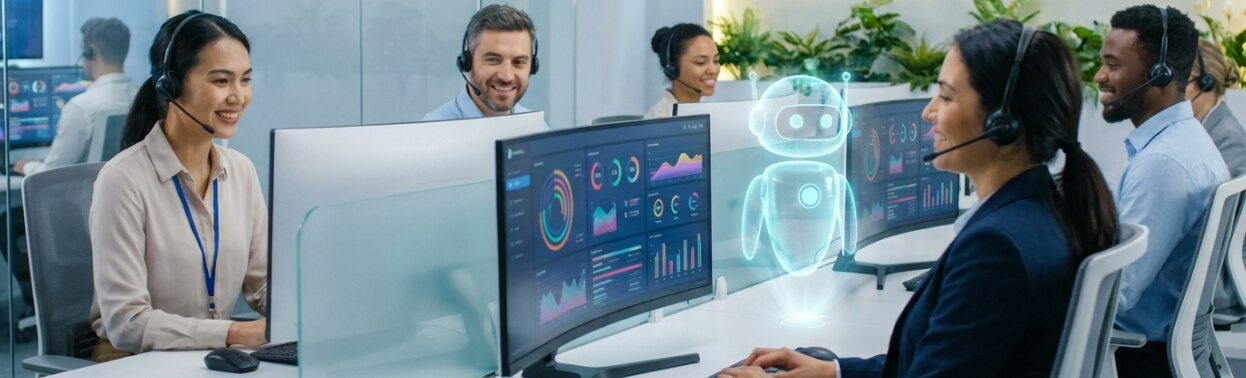
Understanding how to manage telecommunications, the ever-changing economy, and the role of offshore support in strategic planning is essential.
Why telecommunications needs to be more efficient than ever
Businesses everywhere face constant economic uncertainty.
Here are some important things that affect how well telecommunications work:
- When interest rates and inflation change all the time, it’s harder to plan your money.
- Geopolitical tensions still affect markets all over the world.
- Changes to the supply chain, which is still getting back on its feet after the pandemic.
- Companies need to think about how they spend their money and use their employees.
Telecom companies are having a lot of trouble right now:
- Must always keep the services going
- The network needs to be updated all the time
- Must follow rules that are hard to understand and change all the time
- Customers want more
- Not as much money for operations
The International Telecommunication Union (ITU) says:
| Measuring | Current Trend |
| There is an increase in data traffic worldwide. | Every year, more than 10% |
| The money that telecom companies make | Getting smaller because costs are going up for things like following the rules, labour, and energy |
Deloitte’s 2024 Global Telecommunications Outlook says that costs for labor, energy, and compliance are going up. This means that operating margins are getting smaller.
Being efficient is no longer a choice; it’s a strategic need.
Ways telecom companies can do better
There are many ways that telecom companies can do better, such as:
- Offshoring administrative tasks means sending some of them to other countries
Some good things about being careful when offshoring are
- Saving money
- The company is getting bigger
- More power
- Kept the quality of service high
- Keeping data safe
What this piece is about
When using offshore telecommunications for business during times of economic uncertainty, it focuses on:
- Knowing how telecom companies do business
- Telling people why offshore support is an important part of running telecommunications businesses today
The Telecommunications Industry’s Financial Issues
Costs are going up, but profits are going down.
Telecom companies have to pay for many things, like
- Networks and infrastructure
- Big groups taking care of:
- Customer lists
- Correct billing
- Providing service
- Following the rules
- Telling the boss
Costs of doing work:
- The PwC Global Telecoms Survey says that for large telecom companies, labour costs can make up 30–40% of all operating costs.
- A lot of these costs are for work done in an office.
- In many developed markets, wages are going up, which makes it more expensive to keep these jobs in-house.
There aren’t enough people or skills to go around
It’s challenging for telecom companies to find people to fill administrative and operational support roles.
- These jobs require individuals to understand the workings of the system and pay meticulous attention to the details.
- Administrative jobs that interact with customers often lead to resignations or burnout (World Economic Forum).
- When the economy isn’t stable, hiring freezes and budget cuts make it even harder to find enough people to work.
- It’s challenging to expand internal teams to meet rising demand.
Rules that are difficult to adhere to and expensive to implement
Telecom administrative teams must follow these strict rules:
- Rules for keeping data safe
- Paperwork to follow the rules
- What you need to tell them
- Being ready for audits in more than one location
According to McKinsey, it has become more expensive to follow the rules in the last ten years because of stricter rules about privacy and data security.
Benefits of doing things the right way in government
| Advantage | Give an explanation |
| Keeping costs down | Cuts costs that aren’t needed for the business to run |
| Don’t get a ticket | Make sure that rules are followed in the area and all over the world |
| Continuing to offer service | Stops the network or customer service from being interrupted |
| Reputation | Keeps the trust of customers and other people who care about the business |
Could you please clarify the responsibilities of the Telecommunications Administration?
You have to do administrative work in telecommunications every day to keep the services running smoothly. One of the responsibilities of the Telecommunications Administration is not to create new products or networks.
Some important things that these jobs have in common are:
- Important for operations—make sure that services don’t stop working
- Follow a set process, which means that the workflows are always the same, and you can trust that they will work
- Can be done over and over again without fail; it’s the same every time
Why is this important for offshoring
| Quality | Significance |
| You don’t have to be at the main office to do your work, but it’s important | Putting things in the same place |
| Repetition | You can do things over and over again without having to watch them all the time |
If companies set up the right workflows, communication channels, and quality controls, these traits make administrative work great for offshore support.
A lot of what telecom Managers do
Telecom managers are in charge of a lot of different things, such as
- Managing Customer Accounts
- Keeping track of and making customer accounts
- Checking and changing customer information
- Keeping track of disagreements and making sure payments are right
- Payments and Invoicing
- Making and checking bills
- Taking care of service requests related to billing
- Managing Orders
- Making and checking orders
- Helping to turn service on or off
- Working with technical teams
- Managing Records and Data
- Keeping records current and adding new information
- Making changes to CRM systems
- Taking care of contract paperwork
- Keeping track of how much service is used
- Tasks for compliance and regulation
- Making sure that documents are in line with the law
- Getting ready to report to the government
- Helping with audits
- Taking care of policy papers
- Tracking performance, reporting, and analytics
- Helping with business analytics and reporting
- Keeping dashboards up to date to keep track of progress and performance
- Keeping an eye on KPIs to see how well they work and how good they are
Customers might not always be able to see these tasks, but how well and on time they are done has a direct effect on the quality of service, making sure that the rules are followed, and making sure that the business makes money.

Why You Should Get Help with Administrative Tasks from People Who Live in Other Countries
It’s not a beneficial idea to do every telecommunications job in a different country. However, utilizing delivery models from other countries is more effective for certain jobs.
Why Offshore Works Well:
- Things that everyone must do
- People who work in telecommunications often have to follow rules set by the government, the system, and written procedures
- It’s easier for teams that work from different places to share information and keep up quality
- Workloads that can be planned for
- Offshore support can quickly and easily handle daily office tasks like:
- Sending bills every month
- Changes to your account every day
- Reports every three months
- Offshore support can quickly and easily handle daily office tasks like:
- You Don’t Have to Be There in Person
- Most of the time, people do their administrative work online these days, like fixing networks or helping customers
- You can do things from a distance as long as your systems are safe and you have the right controls in place
- Scalability built in
- When sales, new services, or regulatory deadlines come up, workloads get heavier
- Teams that work outside the country can help businesses grow without raising costs in the long run
Offshore Support: A Way to Deal with Economic Uncertainty
Moving jobs to other countries isn’t just a way to save money anymore. A lot of telecom companies have found that it helps their businesses grow.
Gartner says that companies that use a mix of global delivery models were about 30% more likely to survive when the economy went down than those that only use centralized, onshore operations.
Offshore support has a lot of benefits, such as:
- Prices that are easier to guess when the economy isn’t doing well
- Operations that stay the same even when things go wrong in the area
- Get help from well-trained office workers
- More focus on the core innovation and the customer experience
A Short Summary of Administrative Offshoring
During a time of economic trouble, a medium-sized telecommunications company that served both business and residential customers in North America saw its administrative costs and billing errors rise.
Problems encountered:
- Billing support staff often leave
- It takes longer to handle service requests
- More time to fill out paperwork to follow the rules
The company hired a separate team of administrative workers from another country to take care of:
- Sending bills
- Keeping track of information about customers
- Paperwork that follows the rules set by the government
The Results for the First Year:
- The costs of running a business went down by more than 40%
- Billing got a lot more accurate
- Internal teams could work on new services and ways to make the customer experience better
The main point is:
A structured offshore administrative model that works with telecom workflows and governance can be useful in the short and long term.

How to Find, Choose, and Get Ready for Help with Telecommunications Administration from Another Country
Finding the Right Administrative Jobs to Send to Other Countries
Not all of the work that needs to be done for a telecommunications company has to be done in another country. For offshore projects to work, not everything can be done by someone else.
Goal:
Find administrative tasks that can be done well from a distance while keeping strategic and very important tasks close to the core business.
Putting tasks into groups based on how important they are to your plan
One way to get started is to categorize tasks into groups according to how much they contribute to gaining a competitive advantage:
| What Kind of Job | What It Is | The Best Place |
| Main jobs | Long-term planning and making your business stand out are all helped by network engineering, architecture planning, and product development. | Most of the time, this is done at work. |
| These are tasks that require a significant amount of time to complete but do not result in meaningful changes. | Daily tasks that don’t need a lot of thought and follow a set order | A lot of the time offshore |
Common Administrative Tasks Done by Offshore Teams
Here are some of the most common administrative tasks that offshore teams do:
- Help with billing and making sure it is correct
- Keeping track of accounts and putting information about them in
- Looking at new clients
- Telling people to follow the rules
- Taking care of service requests
- Reporting to the company’s management
Checklist Before Sending a Task Overseas
Before sending a task overseas, use this easy checklist:
- How easy is it to understand the steps?
- How many times can it happen?
- How important is the information?
- How much does it depend on other groups?
In general, it’s safe to do things that work well in these areas outside the country.
How Dangerous and Hard a Job Is
After you know what jobs you can do, think about:
- Toughness
- Being sensitive
- What you need to do to stay within the rules
This stops mistakes that will cost a lot of money in the future.
Making Processes the Same
When workflows are clear and can be done again, it’s easier to send administrative work to other countries.
Advantages of Procedures That Are Well-Documented:
- People from other countries can start working more quickly
- Outputs of better quality
- Clear expectations for how well you will do
These foundations make it safer to do business and make it easier to put together teams in other countries.
Keeping Your Information Safe and Private
Administrative work in telecommunications often includes handling private data, such as:
- Information about customer accounts
- Records of billing
- PII refers to personal information that can be used to identify an individual.
People who work on boats should:
- Have strict rules about who can get in based on their job
- Send and save data in a way that makes it hard to read
- Get permissions that are right for the job
Strong security keeps customers’ trust and makes it less likely that there will be breaches.
Rules and How to Follow Them
Telecommunications has very strict rules:
- Only tasks that are done outside of the US, such as audits, regulatory reporting, or data governance, should be moved outside of the US once the right compliance steps are in place.
- Follow the rules that apply to you, like the GDPR and CCPA.
- Clear compliance frameworks help the business stay out of trouble and keep its good name.
Choosing the Best Offshore Delivery Model
There are many different offshore staffing models that telecom companies can choose from. Each model is best for a different stage of business growth and operational need.
1. Hiring People from Other Countries
- Professionals from other countries work directly with the telecom company’s internal teams and follow the company’s rules.
Best for:
- Companies that want to directly oversee work done in other countries
- Tasks that are becoming more and more administrative
- Teams that already have rules about how to get things done and how to lead
A Point to Keep in Mind:
- Leaders on land and at sea need to talk to each other and agree.
2. Offshore Managed Services
- An offshore provider uses its management and operational structure to offer services.
- The telecom company sets goals for the provider, and the provider meets them.
Best for:
- Businesses that want to cut costs when they do business
- Teams that don’t already have a way to find and keep good employees
Important Point to Think About:
- To keep quality and accountability high, it’s important to have clear service-level agreements (SLAs) and performance metrics.
3. Models That Work Both on Land and at Sea
- A lot of telecom companies use a hybrid model, where they do strategic work in-house and send routine administrative tasks to other countries.
- Nearshore teams can help with problems that come up because of time zones.
Advantages of Hybrid Models:
- The top management still has control over strategy
- A lot of work done offshore is done quickly and well
- Easier to talk to and work with each other
For example:
- The US still thinks about rules
- Outside of the US, people enter data for billing and keeping records
Things to Think About When Picking Offshore Locations
| Part | Things to Think About |
| Skills that are there | Many people in the Philippines, India, and some parts of Eastern Europe are good at CRM systems, billing platforms, compliance processes, and other administrative tasks. |
| Language and cultural fit | When offshore teams speak English well and know how the company works, they can talk to each other better and make fewer mistakes. |
| Time Zones | With nearshore or hybrid models, you can work together in real time and still set your own hours. |
| Data Security and Compliance | Choose countries that have ISO 27001 or SOC 2 certifications and data protection laws that work for you. |
Getting Ready for Internal Processes to Work With Teams From Other Countries
When all of the company’s teams are ready, offshoring works best. How well you prepare often decides if the change goes smoothly or is full of problems.
1. SOPs and Other Papers
- Write down a clear list of all the work that needs to be done outside of the country. This includes:
- Workflows that tell you what to do at each step
- Different levels of quality
- How to get ahead
- What to do when things go wrong, or there are problems
Advantages of Good Documentation:
- Training is easier
- Always doing what you say you’ll do
- Operations that are successful in the long term
2. Setting Up Roles and Responsibilities
| Part | Duties |
| Leaders on the ground | Making plans, setting goals, and figuring out how to fix things |
| Leaders of teams who work from home | Daily chores and quality checks |
| Organizations that help with hiring | Hiring, training, and writing reports |
When everyone knows what they need to do, offshore operations go more smoothly.
3. Following the Rules, Protecting Data, and Making Sure It Is of High Quality
- Access that is safe and encrypted:
- Roles determine who can access the system
- Checking identity with more than one thing
- Sending data in a safe way
Things You Should Do to Make Sure You Follow the Rules:
- Follow the rules for keeping telecom data safe in your country and all over the world
- Look at things often
- Write down your plans for following the rules
- Sign contracts that say you won’t share information
Watching Performance:
- Dashboards that show data as it happens
- Reports that are easy to read
- Checks for quality assurance regularly
4. Managing Change and Talking to People
The Best Ways to Get Things Done:
- Stand-ups or check-ins regularly
- Simple ways to move up the chain of command when things go wrong
- Set ways to tell
Tip:
When teams onshore and offshore use the same tools, it’s easier to hold everyone accountable and make sure everyone is on the same page.
5. Outsourcing to Solve Common Problems
- Risks to Data Security: Customer data could be at risk if there aren’t strict security measures and background checks.
- Different ways of communicating and thinking: Cross-cultural training helps teams work together and reach their goals.
- Problems with quality control: Regular feedback, audits, and key performance indicators (KPIs) help keep things on track.
- Hidden Costs and Dependency: Planning, using different delivery models, and having backup plans all lower the risk in the long run.

How to Calculate ROI, Make Offshore Operations Better, and Make Telecom Networks Stronger Over Time
ROI: It’s Not Just About Saving Money
Data, not stories, should be used to measure success when offshore administrative teams are working. Telecom leaders need clear proof that offshore projects are worth the money when the economy is unstable.
What ROI Means When You Move Telecom Jobs to Other Countries
ROI isn’t just about cutting costs for workers. Big phone companies look at performance in several ways:
- Making money
- Operations that work well
- How good and correct the service is
- Following the rules and lowering risks
- Quickness and flexibility
McKinsey says that businesses that use multi-dimensional ROI frameworks are more likely to keep their efficiency gains over time.
Key Performance Indicators (KPIs) for Telecom Operations in Other Nations
Metrics for Cost and Productivity
- Cost per transaction
- Changes in the cost of doing business
- Prices don’t change even when demand goes up
What Goes In and What Comes Out
- How many tasks did each offshore worker finished
- How long does it take for the service to answer
- Times for billing cycles
Quality and Correctness
- How many mistakes are in the bills
- The accuracy of the information
- Fullness of the compliance paperwork
Effect on Customers
- Billing is faster
- Solving problems faster
- Improvements in customer satisfaction that aren’t direct
Risk and Compliance
- Ready for inspections
- How accurate are the reports are
- It’s easier to stay compliant
Research Insight:
Deloitte says that structured KPI frameworks and offshore teams can make things 20–35% more efficient in 12–18 months.
How to Use Technology to Get the Most Out of Working Abroad
AI and Automated Workflows
- Automatically checking invoices and fixing problems
- Using AI and reviewers from other countries to clean up CRM data
- Reporting compliance with human oversight
IDC Insight:
Telecom companies that use automation and global delivery models make fewer mistakes and see a quicker return on investment.
Adding Offshore Teams to Main Systems
Teams that work offshore need access to:
- Platforms for managing customer relationships
- Systems for billing
- Tools for managing services
- Software for compliance
Secure integration with audit logs and role-based access makes sure that offshore teams are fully involved in internal operations.
Always Getting Bigger and Better
Cycles of Ongoing Improvement
- Check how well you’re doing
- Look for the holes
- Change things
- Teach teams
- Look at the results again
Scaling for Strength
- Add new services quickly to grow
- Keep costs low when times are tough
- Make things run more smoothly
Gartner Insight:
Businesses are better able to handle downturns when they use distributed operational models.
How to Stay Efficient in Case Study Expansion
The telecom company from Part 1 kept using offshore administrative methods. For more than three years:
- Reports with more information about work done offshore
- Added QA automation for work done offshore
- Reviews of performance every three months
Outcomes
- Prices went up, but costs stayed the same.
- More helpful Audits
- Internal teams that worked on network strategy and customer service
The lesson is that managing from another country can save money in the short term and have long-term benefits.

The Future of Running Telecommunications from Afar
As telecommunications become more digital and data-driven:
- More AI for tasks that need to be done by people
- Advanced analytics to learn more about the future
- More information and reports from teams working offshore
- More attention on cybersecurity and governance
Important Point:
Offshore teams don’t take the place of internal teams; they make them stronger.
To Put It Plainly
Telecom companies are rethinking how to be more efficient, keep costs down, and be more resilient because the economy is unstable. Offshore administrative support that is well-planned helps businesses grow and stay stable.
Making careful choices is crucial.
- Things to do
- Models for delivery
- Processes within the company
With well-managed offshore partnerships, businesses can find a balance between quality, compliance, flexibility, and efficiency.
Frequently Asked Questions (FAQ)
- What are the best places outside the US for telecom management?
- The services offered include billing help, account management, service order processing, data entry, compliance documents, and reporting.
- Is it okay to send telecom work to a different country?
- Yes, but only if there are proper security measures, role-based access, encryption, and compliance frameworks in place.
- When will ROI be visible?
- Changes that last: 6–12 months; full return on investment: 12–18 months.
- Does working from another country hurt the quality of service?
- Service gets better when tasks are clear, quick, and focused.
- How does Kinetic Innovative Staffing help?
- Offers telecom-specific services like offshore staffing, process mapping, secure integration, performance monitoring, and long-term optimization.
Resources
- International Telecommunication Union (ITU)—Global ICT statistics and industry trends
- Deloitte: A Look Ahead at the Global Telecommunications Industry
- McKinsey & Company: Global Delivery Models and Business Resilience
- Gartner: Future of Work and Remote Operations
- International Data Corporation (IDC): Automating Telecom Operations